Museum of Islamic Art (MIA) , Doha

After that eventful flight over persistent storm winds which made the travel such fun, it was entertaining to cross the Atlantic through the Canary Islands and over the Mediterranean with a little over Africa as well. The result of this delectable journey was that the flight landed 3 hours late in Doha, clearly missing the connection to Chennai.

So the airlines arranged for an overnight stay and the next available flight was not until evening 7pm, giving enough time to spend in Doha. The moment I know that I am getting a few hours in Doha, I know where I am going to be spending those few hours.

The Museum of Islamic Art  is probably unique in that it exclusively houses works of art from the Islamic world and from places of Islamic influences in the past. And it has probably one of the largest collection of such art to be found anywhere in the world. Though I've seen the Islamic art collection in The Met - another large collection - it just was not enough.

I am no expert in any art. My interest flow from my reading and to me, art is the visual form of a poem or a beautiful prose. That, I am always on the look out for. Just like the literature from different parts of the world, art differs in content and the medium based on the geography and people, but speaks the same language of human artistry and passion, if only we chose to listen.


 Now that that is out of way, Islamic art - in comparison to the Western - is unique for a variety of reasons. The medium , the bright, boldness of the expression, while there is a deep under pining religiousness in all, there is quite a bit of themes outside the same as well - especially the ones related to war (conceivable as the medieval period of Islamic flourish was accompanied by constant wars) and love (I mean, the Mughal emperors - to me - are the most spoiled romantics of all!).

The Museum of Islamic Art is impressive because the museum itself is a work of art and that is the first thing that gets noticed. Located at the edge of the beautiful blue waters of the Doha Bay of Persian gulf, built in the traditional  limestone structured found across the Gulf - the building evokes an abstract structure of the dome structures of the mosque. In line with the geometrical features , so commonly found in the Islamic architecture, the building itself is a collection of patterns all across. With the huge glass facade overlooking the Persian Gulf, the interior of the building is flooded with light at all the times of the day. With the accompanying parks around the structure, the building itself is worth the time to visit the place.
The collections in the museum is one of the largest and takes time to walk around the structure covering a variety of mediums - paintings, ceramics, sculptures, calligraphy, wood work,  textiles, jewellery etc. And are all displayed in a very tasteful manner - by the medium, place of origin and period of craftsmanship.
 It takes a while to walk around the museum - about 2.5 hours for me - and try to absorb as much of it in. There is a lot to look at and admire and understand. There are 3 floors of exhibitions and one with a library and the ground floor has the auditorium. gift shop and the cafe.

The most impressive item to me was the war mask from Iran which was quite the opposite of what you would expect from a war mask. It was more like a mask you would wear to a ball, there was very much a dancing quality to it which made it quite lovely to look at.
There is a complete section on the sea faring Arabs and the tools and maps from that period of time and it was very educational and interesting to see and know that they, at one point in time, ruled the seas from the Indian Ocean to the Atlantic.
The jewellery and small arms (daggers and muskets) collection were extensive and impressive as well. There was a lot on display from the Mughal period and from the Iran Safavid periods which were probably the best of the lot.


If you like art and have 3-4 hours to spend in Doha, this is the only place to be.

Three Billboards Outside Ebbing, Missouri (2017)

Right when I saw Frances McDormand in that fully pregnant police woman role in 'Fargo', I became a fan of her. She has that infinite quality of grief built into her that anything she does reeks of sadness - even the jokes.

So during that long, dreary, turbulent flight across the Atlantic - flying out in the slamming Nor'easter - in a longer path flying over Africa and what not, it seemed only apt that she was there to give me company in that economy class misery.

There is a moment in 'Three Billboards Outside Ebbing, Missouri' where Mildred (Frances) talks to the police chief Willoughby who is asking her to remove the billboards. She is adamant in her stance when suddenly he spits out blood and Mildred, who till that point was defiant, shows agony for a moment and helps him to get into an ambulance.

The movie deals with loss and grief and almost everyone in the movie go through one. Mildred loses her daughter, Jason loses his job and the Chief loses his life. It is how they deal with each of these loses and what it transforms them into are the core of the movie.

The characters etched in the frames are poignantly sad, angry and almost in grief through the movie. And mostly every frame of happiness follows a tragedy - like the last day of Willoughby.

However, this is not a tragedy movie though. It is black, I mean, the blackest of black. But the jokes - though sometimes morbid - keeps coming. Everyone has a moment to quip and the side story of Mildred's ex and his new , young girl friend from the zoo keeps the family life interesting. The story of Red Delby and his act of kindness towards Jason is something to restore faith a little.

Mildred is a difficult woman to understand - much less, be rational with. She is so bitter with grief, she becomes obstinate. She does go on a date with the town midget - as an act of kindness - but then she also becomes the one who insults him in the end. She doesn't care and all she wants is justice for her raped ('raped while dying' - one of the billboards say) and killed daughter. She wants closure. 

When that becomes elusive, she tries to find closure in a way she think she will get it. There the movie ends leaving us to guess what she may do next and what she may become. 

It is a tale of loss and grief and a lot of conflicting behavior which comes up with that.  The movie does not try to answer anything but try to let the characters take the course. There is no let up of the grief once the loss is encountered and while some try to bury it deep inside, some erupt with it splattering it across anything or anyone who stands around.

And it is difficult to avoid that splattering here.

ஜின்னின் இரு தோகை - அனார்

ஜின்னின் இரு தோகைஜின்னின் இரு தோகை by அனார்
அனாரின் புதிய கவிதை தொகுப்பு.

தமிழில் தற்சமயம் எழுதும் கவிஞர்களில் அனார் மற்றும் தேன் மொழி தாஸ் மட்டுமே சிறந்த கவிஞர்கள் என்பது என் கருத்து. அதிலும் அனார் நம் முன் கொண்டு வரும் உலகம் மிகவும் ரசிக்க வேண்டியது.

அனாரின் கவிதைகள் அவரே சொல்வது போல் 'மௌனத்திற்கும் உரையாடலுக்கும்' நடுவே உள்ள வெளியில் இருப்பவை. பெரும்பாலும் காதல் கவிதைகள். Impressionism போன்று மனதில் காதலின் நிலையை வார்த்தைகளில் வடிப்பவை. வான் கோவின் சித்திரங்கள் போல இவை எழுத்தில் வரையப்பட்டவை.

காதல் கவிதைகளில் அனார் ஒரு தனித்துவமிக்க கவிஞராகவே இருக்கிறார். அவர் வரையும் காதல் கோடுகள் இதுவரை இடப்படாதவை. 'ஒற்றை முத்தம்' ஒரு எடுத்துக்காட்டு.

'மரத்தின் இடைவெளிக்கூடாக விழுந்த
இறந்தகால வெட்கங்களின்
வெளிச்சத் தீற்றல்களைத்
திரும்ப நினைத்து நாணமுறுகிறேன்
..
கற்களின் இடுக்குகளுக்குள்ளே
தாப திவலைகளின்
நீர் வளையங்களாகிறேன்.

உன் கண்கள் ரகசியங்களுடன்
சுழலும் பொழுதெல்லாம்
இரவின் சதுப்பு நாணல்களுக்குள்
புதைகின்றன நட்சத்திரங்கள்.'


அனார் உருவாக்கும் காட்சி படிமங்கள் இதுவரை இல்லாதவை. அவரின் கவிதைகளின் உலகம் இத்தகைய மாய தோற்றங்களில் உருவாகும் படிமங்களின் வழியே வெளிப்படுகிறது.

பெரும்பாலும் காதலின் மெல்லிய வெளிப்பாடாகவே அவரது கவிதைகள் இருக்கின்றன. துயரங்கள் ஒரு நீர் கோடாக வழிந்தாலும், காதல் மனதின் வெளிப்பாடாகவே அவர் எழுதுகிறார்.

'பல்லாயிரம் உப்புக்கோடுகளாக
மழைக்கொட்டும் தனித்த இரவொன்றில்
கண்களில் இருந்து பெருகும்
உப்புக்கோடுகளை
வெளிப்படாமல் அழிக்கிறாள்..'


போன்ற வரிகள் வேறு சிலவே. அனாரின் மாய உலகம் வசீகரமானது. நம்மை ஈர்த்து அதனுள்ளேயே வைத்துக் கொள்வது. இதுவே அவரின் கவிதையின் வெற்றி எனலாம்.

'மௌனத்திற்கும் உரையாடலுக்குமிடையே
பெறப்படாத முத்தங்கள்
நம் கண்கள்'


View all my reviews

Mayaanadhi (2017)

There is a moment in the movie which comes a little later into the film. Aparna (Aishwarya Lekshmi) and Maathan (Tovino Thomas) had sex after going through a breakup and it is the moment just after that. Maathan brings up the topic of going to Dubai and settling down. Aparna says 'No to that' and Maathan has a difficult time of comprehending that answer. She says 'Sex is not a promise, Maathan'. Maathan calls her a prostitute for that.

Mayaanadhi is full of little moments like this.That highlight the way boys and girls look at love and promises. The difference in that perception is something that forms the basis of the movie. When her friend asks her if she loves Maathan, why is she not ready to go with him. Aparna replies that she cannot trust him as he is still a boy at heart. The next shots shows Maathan peeing from the balcony.

Mayaanadhi is partly a love story and partly a crime thriller. And it manages to keep the two ends tight and when the two threads meet, the movie ends. At the start of the movie itself, we understand that there is no 'happily ever-after' for this one.

While Aparna comes out as a pragmatist with a focus on her - struggling - actress career, Maathan is a petty criminal who is still a boy at heart - in love with her hopelessly. He is ready to keep finding her wherever she is and try to be near her as well. In a way, he never grows up.

The backstory of their love only comes out in pieces through their conversations and as just a couple of clips of their college days. While we understand that their breakup was driven by Maathan's petty criminal acts, given Aparna's coolness towards him - it may be due to the boyish nature of Maathan as well.

This is more a struggling-to-be-in-love story than a love story per se. They have some beautiful moments but the moment they meet in that roadside shop in Kochi, we know that that relationship is doomed.

The fundamental difference in the way the boys love versus the way girls perceive love stands out through the movie. The moment mentioned at the start is one such. While Maathan sees sex as an act of affirmation of love, Aparna uses that more as a moment to share her happiness and nothing more. This fundamental flaw in the understanding of love splits them again and again and ends up in the bloody climax.

However, this is not a sad movie or we do not see Maathan raging about girls and all (like his Tamil counterparts do!). He is able to understand this difference and is ready to wait for her till she understands his love. That fleeting moment arrives but passes as soon as it arrives. Their love ends up being incomprehensible to both of them all through the movie.

Mayaanadhi impresses because of the way it handles the story and the characters. There is no sag or a unwanted moment in the entire movie. It just happens on screen and you are immersed. There is no drama or sentiment, just wry humor through out - slicing out pieces of life as we move along.

A movie to watch and think over.

Karla caves


It is a chance of fate that I ended up visiting Karla caves. Lacking proper sleep for two days, I almost decided not to climb the few hundred steps. I would’ve missed a whole experience if I’d done that.
The caves with the Ekveera temple in front
The place was crowded not by the tourists going to the caves but by the people visiting the Ekveera temple which lies at the entrance of the temple. The entire climb is narrow and lined with shops selling stuff for people going to the temple. The narrow climb is challenging and steep. With the incessant flow of crowds , it was slow as well.

The reason I made the climb was to see whether the cave was in any relation to the Ashoka period. Thanks to Charles Allen, I had a fair idea that the edict in the western India is not in Karla. So the only interest I’d was to see whether it is from the Satavahana period. The other great cave in Undavalli I’ve seen but nothing prepared me for the grandness of Karla.


The Lion pillar
The large Ashoka pillar at the entrance is the first to catch the eye. It’s broken but fairly intact and standing. And came to know that , there were and two and the other one does not exist anymore.


Decorative panels at the entrance
Both sides of the entrance have large decorative panels with Buddha riding elephants (3 on each side). Above that were decorative motifs of windows/panels carved out of the stone.

The welcoming parties..!
On both sides of the entrance stand large panels of Satavahana gents distinguished by there beautiful headdresses. Beautiful girls accompany them and the poses were playful and the sense of camaraderie can be seen. The casual hand over the shoulder , the playfulness in the girls stance and the dress and jewels on them are at a scale I’ve not seen in the other places.


The Chaitya
But the most beautiful part of the cave is the Chaitya or the grand hall. The size of it hits you as soon as you enter it is not possible to be amazed by the tall arch and the curved timber lining in the hall roof. And were told that most of the timbers are original and I have not seen 2000 yr old timber structures surviving. The chamber must’ve been built air tight to slow down the decay of timber or the timber must’ve been set through some process.


The pillars in the hall
The tightly built pillars on either side give that grand look to the whole structure. In the short space behind, I was thinking of beautiful murals but found none.

Inscription recording the gift..
The ancient Brahmi script cannot be read (by me!) and so google helped in understanding them. The ones in the pillars talk about the grant given by merchants - Yavana or Greek- towards the building of the pillars. That gives an idea of the trade passing through the area.

The capital
Each pillar had a capital carved above with four figures each. I couldn’t find a pattern in the figures - all combinations were available- one man with three women or two pairs or all women and so on and so forth. Like the southern architecture, may be the capital was not a distinguishing feature to have uniformity it seems. Probably I may have to read more on that to substantiate. But they were beautiful and will need a few days to really appreciate.

The Dagoba stands at the position of the altar and I couldn’t find anything on what it could’ve housed. But the whole structure with the dagoba  and the high curved panels reminds of the later Grand Cathedrals.

The Dagoba
Like every grand structure the complex was worked over a period of time it seems. Like the outer panels were of later periods.
The girls and gents in the front of the cave

Apart from the chaitya, there are smaller caves with windows where the monks would’ve lived. However there is no stone beds like those in Jain caves. But these are kept in bad condition and not sure how long the structure could stand with this kind of care taking.
The monks quarters!


Overall it was a fantastic- though unexpected- experience.

Grant - Ron Chernow

GrantGrant by Ron Chernow
My rating: 5 of 5 stars

I took to myself to read a biography of at least one president every year and 'Grant' by Ron Chernow is what I chose for this year. And I am glad that I did that.

The US Civil war has been a favorite obsession of mine for years now. For the simple reason that the good vs evil narrative here has no greys. The colossus of this war is undoubtedly, Abraham Lincoln. And it is easy to see why. The man has no vices, has a moral authority which is hard to question, the kindness of heart he exhibited and the resolution to fight till the end he showed are astonishing.

However, the Civil war also brought forth deeply flawed individuals with strong moral conviction to the fight against slavery. The foremost in this list Ulysses S. Grant. He is probably the greatest general in the history at that time and the strangely western charm he brings in is hard to resist.

I've read about Grant only in the context of Civil war and the much scandalized presidency of his two terms. So I approached the book with a trepidation that the book might make him fall from the high pedestal I've put up for him. But I finished the book with exactly the opposite feeling.

The first 40 years of Grant's life feels like a terrible Dickens novel. There is so much of misery going on in his life, it is actually a wonder that he was able to sustain his life till that point.


The main reason for that sustenance is probably his love for Julia - whom he married, much against the wishes of his abolition-loving family and Julia's slave holding family. He remains amazingly steadfast in his dedication to Julia and there is multiple instances throughout the book where incident after incident, Julia comes out as someone who actually saves and anchors Grant multiple times.

Apart from Julia, not much of good happens to him. Barring a brief stint in the Mexican war, Grant basically lives off the land , mostly without any money to go around, leaving Julia and the children with his father-in-law. He wanders, tries out multiple jobs - succeeds in none and develops a drinking problem.

The Civil war brings in the right opportunity for him to shine with his leadership and strategy. Along with William T.Sherman, he racks up a series of victories in the western front, which brings him to the notice of Lincoln, who makes him the General of the whole army. He promptly defeats the south, is stunned by the death of Lincoln and decides to run for the president after the disastrous tenure of Andrew Johnson.

Grant comes out of the book as a valiant soldier, a very good man - with a set of moral values which is hard to come by, with a naive believer in men who gets swindled off by his closest friends again and again through his entire life. This gullible nature seems to be ingrained in him so much that even in his last days, he is willing to be swindled by his publisher until Mark Twain talks him out of it.

The perfect moral compass of Grant is unquestionable - though he seem to have a knack for having rogues and swindlers around him all the time. His commitment to the abolition of slavery and reconstruction is unassailable. It must've felt terrible to fight the same foes on the ground and in the Hill throughout his life.

Overall, I would say the book was refreshing in its views of Grant and the amount of information (given the size of the book!) is staggering and I almost ended up reading about most of the battles of the Civil war along side the book for a better understanding.

A very interesting and informative book.

View all my reviews

என் கதை

என் கதை
"Until I found you,
I wrote verse, drew pictures,
And, went out with friends
For walks…
Now that I love you,
Curled like an old mongrel
My life lies, content,
In you…."

கமலா தாஸ் பல வருடங்களுக்கு முன் எனக்கு இந்த சிறு ஆங்கில கவிதையின் மூலம் அறிமுகமானார்.

இதை எதில் படித்தேன் என்றோ , எப்போது என்றோ சிறிதும் ஞாபகமில்லை. ஆனால் இந்த வரிகளின் ஒரு personal approach இதை மறக்க முடியாத ஒரு கவிதையாக்கி விட்டது. தீவிரமாக காதலித்த ஒருவரால் மட்டுமே இந்த கவிதை எழுத பட்டிருக்க முடியும்.

பின் கமலா தாசின் மரணம் வரை அவர் வாழ்வை ஓரளவிற்கு தெரிந்து வைத்திருந்தாலும், அவரது கவிதைகளை தவிர எதையும் வாசித்ததில்லை.

'என் கதை' எழுப்பும் பிரதானமான கேள்விகள் இரண்டு. தனிமனித ஒழுக்கம் என்பது என்ன? இந்திய வாழ்வு முறையில் பெண்ணின் வாழ்வு எவ்வாறாக கட்டமைக்க படுகிறது மற்றும் பெண்ணின் உடல் அரசியல் இன்று எவ்வாறு இயங்குகிறது?

40 வயது வரையிலான கமலாதாஸின் வாழ்க்கை ஒரு non-linear முறையில் சொல்லப்படுகிறது. கல்லீரல் மற்றும் இதய நோயால் பாதிக்கப்பட்டிருக்கும் போது எழுதியதாக பதிவு செய்கிறார்.

'ஒரு குருவியின் அவலம்' என ஆரம்பிக்கும் கதை கமலா தாஸின் காதலின் கதைகளாய் விரிகிறது. ஒரு விதத்தில் சொல்லப்படாத இந்திய பெண்களின் கதையாய் போகிறது. சிறு வயதிலேயே பொருந்தாத திருமணம் ஒன்றில் செல்லும் கமலா , அந்த திருமணத்தின் உள்ளேயே தனது காதலர்களை கண்டு கொள்கிறார். திருமணத்தின் வெளியே வரவும் துணிவில்லாமல், காதலனுடனும் செல்ல முடியாமல் இயங்கும் ஒரு வாழ்க்கை வாழ்கிறார். கவிதைகள் மூலம் தன விடுதலையை ஓரளவிற்கு எட்டுகிறார்.

இந்த புத்தகம் எழுப்பும் தனி மனித ஒழுக்கத்தை கட்டமைப்பது தனி மனிதர்களா, இல்லை சமூகமா? இந்திய முறையில் சமூகத்தின் திணிப்பு அளவில்லாதது. ஒழுக்கம் என்பதே அந்த காலகட்டத்தின் வெளிப்பாடு மட்டுமே - ஒரு நிரந்தரமான கோட்பாடு அல்ல என்ற புரிதலே இல்லாத சமூகம் இது. இதில் ஒரு பெண்ணின் ஒழுக்கம் என்பது வெறும் உடல் சார்ந்ததாய் நிர்ணயிக்க பட்டு அந்த உடலின் மீதான வன்முறை வரையறுக்க பட்டுள்ளது. அப்பா, கணவன், மகன் என வாழ்நாள் முழுவதும் இந்த வன்முறை நிகழ்த்தப்படுகிறது.

கமலா தாஸ் இந்த வன்முறையில் இருந்து வெளி வரவும் முடியாது , உள்ளிருந்து தனக்கான ஒரு உலகை உருவாக்குகிறார். தன கணவனுடனான முதல் இரவு (இந்த வார்த்தையின் வன்முறையை உணராமல் போவதே இந்திய கலாசார மரபு!) தன உடல் மீதும் , மனதின் மீதும் நிகழ்த்திய தோற்று போன வன்முறையின் முடிவாகவே அவரது வாழ்க்கையின் பயணம் அமைகிறது.

கார்லோ மீதான காதல் ஒரு கனவின் ஓடையாய் நிகழ்கிறது. கணவரை பிரிந்து வர முடியாது என கமலா முடிவெடுக்கும் போது , கார்லோ மறைந்து விடுகிறார். கமலா ஒரு இடத்திலும் இது எவற்றையும் இந்த சமூகத்தின், கலாச்சாரத்தின் மீதான விமர்சனமாக இல்லாது - ஒரு தனி பெண்ணின் தாங்க இயலாத சோகமாக மட்டுமே எழுதுகிறார். இதுவே இந்த புத்தகத்தின் வெற்றி.

ஒரு பெண்ணின் - இந்திய பெண் - அக வாழ்க்கை என்பது எவ்வளவு சோகமானது , உண்மை அன்பை தேடும் அதன் வேட்கை பற்றி புரிந்து கொள்ளாத வாழ்வின் நடுவே - வருடங்களை கடக்கும் பெண்கள் பற்றிய பொதுக் கதையாகவும் இருக்கிறது.

1970களில் எழுதப்பட்ட இந்த கதை - இன்று பதிப்பிக்கப்பட்டாலும் பெரும் எதிர்ப்பை எதிர்கொள்ளும் என்பதில் இருந்து ஒரு சமூகமாய் நாம் இன்னமும் தேங்கி கிடக்கும் சாக்கடையாய் மட்டுமே இருக்கிறோம் என்றே தெரிகிறது.

கமலா எழுதுவது போல் வாழ்க்கை பெரும் துயரங்களிடையே சிறு சந்தோசங்களை தேடுவதாய் மட்டுமே இருக்கிறது.

View all my reviews

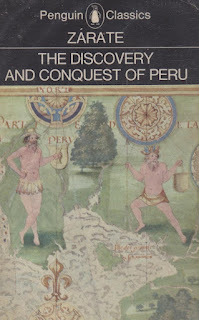
The Discovery and Conquest of Peru - Zarate.

பழைய புத்தக விற்பனையின் போது இந்தப்புத்தகத்தை வாங்கினேன். 1528ம் வருடம் ஸ்பானிய வீரர்கள், இன்றைய பனாமாவின் பசிபிக் கடற்கரைகளில் இருந்து தெற...