A ride along Cauvery - Veeranam Eri

One of the definitive travelogues of modern Tamil is 'நடந்தாய் வாழி காவேரி! (And long you flow, Cauvery!). Written by Chitti and Thi. Janakiraman in the late 1960s, when I heard about it first about 20 years back, the book has fallen into the fate which envelops all literature in Tamil. It was out of print and was not available. I've to go through a lot of search - in the by-lanes of North Madras and in Triplicane and other places - to finally get hold of a copy of the book. And of course, it was worth all the time and energy spent on finding it.
The Ride along the shore
The interest in rivers - especially Cauvery - for me, starts from my school days when we visited Kallanai and Mukkombu on a day trip. Someone who grew up looking into the ever-dry Vaigai all his life, it was eye-popping to see Cauvery flowing covering both the banks in a quite and menacing way. And having read 'Silappathikaram' - I was trying to visualize Cauvery as a women swaying across the bridge that day.

So, it was with a lot of interest that I was watching the news about this year's spate of rainfall which has actually filled all the upper riparian dams in Karnataka and in Tamilnadu. And the news just kept getting better - with the filling of Kallanai and the water flowing into the Vadavaru filling Veeranam.
The Veeranam lake

It was then I decided that - while I cannot do a months long journey of Thi.Ja and Chitti - I will at least try to drive along the swelling waters of Cauvery. 

I've done this trip a multiple times over the past 10-12 years. The lands between Veeranam and Kodikarai and between Trichy and Nagapattinam were very familiar for me. I've driven across (that story here and here), taken passenger trains to slowly watch the villages go past by, taken local buses during tense strikes and all and climbed the hills to the temples there, spent hours in the lonely temples on the banks of a very empty Cauvery, read with a passion on the history of the area multiple times and have always felt a connection to the place with Cauvery as the anchor for that affection.
The Princess and the Prince


Since I wanted to reach Srivilliputhur that evening to go to see Andal - a visit I planned for Aadi Pooram (Aug 13) but have to pre-pone it as my further travel plans did not accommodate the same - I decided to do this with an early start.

I've always seen the Veeranam lake when it was empty. So, on that Aug 11th morning, when we started, I really had no idea how big its gonna be. We started early and the kids promptly went to sleep and the drive was pretty uneventful and fast till we hit the bumps entering the Banruti/Neyveli road. The only thing I can say about the road is that it remains the same for the past 10-12 years. 
Trying to capture a Panorama
It was Aadi Ammavasai that day and as the water birds started appearing around, every temple along the way had some kind of a festival going on with people walking, riding the tempos in their finest. It was pretty exciting to watch all that. 

I was telling kids the story of Vanthiyathevan - unavoidable being so near to Veeranam lake - where the entire story of 'Ponniyin Selvan' starts on a similar Aadi perukku day with Vanthiyathevan riding his horse along the shores of the vast lake. It even crossed my mind that I am a modern-day Vanthiyathevan riding my car along the shore-road of the lake. (Yea, sure, I am that crazy).

 While I cannot say how much the kids liked the story, they really felt awe-struck looking at the massive lake. We stopped at the Lake view point - with a little Amman temple having its share of the festivities going on - and started walking along the lake. 

The modern Vanthiyathevan and his horse
The lake was massive, full of water with boats bobbing around. I've seen the Great Lakes and stood on the shores of some of the large lakes of the world - but never felt the same as it was to stand on the shores of one of the fantastic feat of engineering - man-made by an emperor from distant times - which has stood the tests of time and still can make you feel awe.

I was telling the kids the view of that other Aadi Perukku day - when the sails of the Paluvoor come along the lake - carrying the most complex heroine of Kalki, Nandhini. I was telling Vanathy - of that princess of Kodumbalur, her namesake - meeting Arulmozhi somewhere along the shores of a canal from the lake. It was exhilarating.


We got into one of the numerous 'Padithurai's along the lake and starting wetting our feet. There were very few people in the water - it was deep sharply at that point and watched the different water birds that were flying past. There were check dams opening into different canals around - though they were all closed that day - which was pretty interesting of engineering to explain to the kids.


After spending what seemed an inadequate amount to time to justify seeing that beautiful lake, we started our real journey along the Cauvery - next stop being at that erstwhile capital of the Cholas - Gangai konda Cholapuram.     

பொன்கொன்றை பூக்க வந்த பேய்மழை

பொன்கொன்றை பூக்க வந்த பேய்மழைபொன்கொன்றை பூக்க வந்த பேய்மழை
My rating: 5 of 5 stars

"பொழுதுகளோடு நான் புரிந்த
யுத்தங்களை எல்லாம் முடித்துவிட்டு
உன்னருகே வந்தேன்"
என்ற தேவதேவன் வார்த்தைக்கு ஏற்ப பொழுதுகளோடு யுத்தம் புரியும் வாழ்வில் காதல் பின்னுக்கு தள்ளப்பட்டு விட்டது. சமயவேல் முன்னுரையில் சொல்வது போல் காதல் கவிதைகள் எழுதுவது அருகிவிட்டது.

எனக்கும் ஒரு சிலரை தவிர தொடர்ச்சியாக காதல் கவிதைகள் (மட்டுமே) எழுதுபவர்கள் இப்போது இல்லை என்றே தோன்றுகிறது. அப்படி எழுதுபவர்களும் 'கிழக்கே சூரியன் உதித்தது - நீ வந்தாய்' என அபத்த களஞ்சியங்களாகவே இருக்கின்றனர்.

எனவே, ஸ்ரீவள்ளி முகநூலில் தொடர்ச்சியாக காதல் கவிதைகளை பதிப்பித்த போது அது ஒரு விதத்தில் மாறுதலாக இருந்தது. காதலில் இருக்கும் கணம் அபூர்வமானது. அந்த கணத்தை வார்த்தைகளில் வடிப்பது என்பது இன்னமும் அரிது. அதற்க்கு அந்த கணத்தை உணரும் மனமும் , அதை வெளியுறுத்தும் வார்த்தை பிரயோகமும் அவசியம். இவை இரண்டுமே ஸ்ரீவள்ளிக்கு வாய்த்திருக்கிறது.

"பொன்னென மலர்ந்த கொன்றை மணிஎனத்
தேம்படு காயா மலர்ந்த தோன்றியொடு
நன்னலம் எய்தினை புறவே!"
என்ற ஐங்குறுநூற்றின் வார்த்தைகளில் உருவான தலைப்பே இந்த கவிதைகளின் நவீன பழமையை வெளிக்கொணர்கிறது.

"தன் உறுதிமொழியை அவளிடம்
நெஞ்சை பிளந்து அரிந்து வைக்காமல்
மொட்டவிழ்க்கத்தான் தெரியுமா"

என்கிறது இந்த தொகுப்பின் பெயர் கொண்ட கவிதை. இந்த சொற்சிக்கனம்தான் காதலில் இருத்தல். எதையும் நிரூபிக்காமல் இருப்பது. இது காதலின் உறுதி உள்ளபொழுதே இருக்கும். இந்த தொகுப்பின் கவிதைகளும் அதன் இருப்பை கேள்வியுறுத்தாது காதலை கொண்டாடுகின்றன.
Love and Pain - Edvard Munch

இந்த கவிதைகளில் சிலவற்றை முகநூலில் வாசிக்கும் போதே அவற்றின் சங்கத்தமிழ் கவிதைகளின் தொடர்ச்சி - உவமைகள், மொழி , பகுப்புகள் - என பலவும் நினைவுறுத்திக்கொண்டே இருந்தன. அதனாலோ என்னவோ ஒவ்வொரு கவிதை வாசிக்கும் போதும் அதன் திணை என்னவாக இருக்கும் என்றும் இதன் போல் வேறு கவிதை இருக்கிறதா என்றும் தோன்றிக்கொண்டே இருந்தது.

அன்னங்களும், நாரைகளும் தூது சென்ற சங்ககாதல் இப்போது அணில்களும் , சங்கிலியில் கட்டப்பட்ட குரங்குகளிடமும் உதவி கேட்கிறது. சங்கப்பாடல்களின் சித்திரங்கள் சிதைந்து நவீனத்தின் ஆன்மாக்களற்ற உலகம் முன்வருகிறது.

"மலையில்லாத பச்சையில்லாத
நீரோட்டமில்லாத
குருகில்லாத மீனில்லாத
பாதையில்
நீ வாகனத்தை செலுத்தும்போது
என்னை நினைக்க
என்னதான் இருக்கிறது நினைக்க"

என்பதில் காதலின் வழமையான விஷயங்கள் வெற்றிடமாக்கப்பட்டு நினைக்கப்படுதல் என்பதே அருகுகிறது. நினைவை தூண்டும் எந்த காரணியும் இல்லாமல் காதல் எனபது மட்டுமேயான உண்மையின் முன் இந்த கவிதைகள் வாசிக்க படுகின்றன.

அதுவே அடுத்த முரணை முன் கொணர்கிறது. காதல் என்பதை ஒரு விதத்தில் யதார்த்தத்தின் நேரெதிராய் நம் சமுகம் நிறுத்திவிட்டது. சங்கம் காட்டும் காதல் வயப்படும் சமூகத்தின் இந்த முரணே யோசிக்கத்தக்கது. காதல் மட்டுமே யதார்த்தமான உலகில் ஏனைய நெறிகளே யதார்த்தத்தின் முரணாய் நிற்கின்றன.

காதலின் காமத்தை உணர்த்தும் வரிகளில் ஸ்ரீவள்ளியின் தீவிரம் வெளிப்படுகிறது. 2 அல்லது 3 கவிதைகள் மட்டுமே ஆனாலும் ஒரு ஆழ்ந்த அனுபவத்தை இக்கவிதைகள் கொடுக்கின்றன.
"உன் உதடுகள் என் மருதாணியில் கூட்டிய அடர் சிவப்பு"
என்று செல்லும் 'என்னோடுதான் இருக்கிறாய்' களைத்து, களித்து , திளைத்து இவ்வாறு முடிகிறது.

"காதலின் எல்லா சந்தேகங்களும்
ஓர் இரவாவது
உறங்க செல்லட்டும்."
மனமொத்த காமம் காதலின் சந்தேகங்களை தற்காலிகமாக தள்ளி வைக்கிறது.

ஸ்ரீவள்ளியின் கவிதைகள் ஒவ்வொருவரின் வாசிப்பிலும் அவரின் அனுபவங்களின் வெளியீடாக மாறுவது இயல்பே. காதல் பெரும்பாலான நேரங்களில் அன்பை இறைஞ்சுதல் என்பதாகவே இருக்கிறது. இந்த இறைஞ்சுதல் நிராகரிக்க படும்போது மனம் ஸ்ரீவள்ளியின் வரிகளில்

"பிளாஸ்டிக் உரையைக் கவ்வியபடி
சக்கரங்களிலிருந்து தப்பித் திரியும் நாயாக
உன் நினைவை பற்றி அலையும்"

ஸ்ரீவள்ளியின் கவிதைகள் காதலை கொண்டாட்டமாக அன்றி அன்பின் நிமித்தம் கொள்ளப்படும் சுய வதையாகவே பார்க்கிறது. பெரும்பாலான கவிதைகள் அன்பின் நிராகரிப்பில் ஏங்கும் மனதின் வெளிப்பாடாகவே இருக்கிறது.

இருப்பினும் காதல் வேண்டும் மனம்

"முடியாத அன்பின் நித்ய நேரத்திக்கடன்"
என இடையறாது காதல் கொள்கிறது. இதுவே இப்புத்தகம் முழுவதுமான ஸ்ரீவள்ளியின் குரல்.

The Dravidian Legacy

As the doyen of the Dravidian movement passes away into history, had an interesting conversation with my son today - trying to tell him the legacy he leaves behind and the lies he has to battle against. As always, Sibi had the correct understanding of the events of the past two days and all I have to do was to fill in the history of the movement. 
Kalaignar
The Dravidian movement - from day one - is a literacy movement in disguise as a political movement. One of the earliest memories I’ve is the small, single-room ‘padippagam’ (Reading room) at the corner of our street in Madurai, run by the local cadre. We lived in a modest, one hall/kitchen house - opposite to a bunch of huts - derisively called slum. The reading room will have a bunch of news papers and books and there will be usually someone who is reading loudly with a few more listening.
 
This is a common sight across Tamilnadu. The Dravidian movement put at its heart, education as a priority. This comes from the legacy of the Justice party of the pre-independence days, which had the education of non-Brahmins as its core ideology. The Dravidian movement inherited it and had made it a priority for the past 70+ years in a state.
 
To me, all the rest of the ideologies of the Dravidian movement takes a backseat or derive from this fight for a right to education of the oppressed classes and castes. The definition of the oppressed castes/classes have changed over the years but the fight for that right has not ceased.
 
The trident of this movement - Periyar, Anna and Kalaignar - never wavered from this fight. I call it a fight - since from the day of the formation of the two Dravidian parties - Dravidar Kazhagam (DK) and Dravida Munnetra Kazhagam (DMK) - have literally have to fight it out with the powers that be every inch of the way - in the streets, in the ballots, in the legislature and in the courts. In every history of this movement, this is the only thread that gets repeated under various guises.
 
The Kulakalvi scheme - by Rajaji - which was opposed tooth and nail by all non-Brahmin parties starts off this history followed by the Anti-Hindi agitations of the 1950-60s which catapulted the party to power in 1967. The Anti-Hindi agitations are not just agitations against the hegemony of a foreign language - but also for a right to an inclusive education for everyone in the state who had Tamil as their primary language. It is also a fight for the right of the states versus an autocratic center rule. This fight continues even today.
 
Once in power, Anna - and followed by Kalaignar - took up the fight with a two-language education which eventually paid off. The drive to an education for all - which include building high-caliber institutes in the state and building medical colleges in every district, also meant that the social indicators of the state steadily climbed in the 50 years of rule to a stage where any of these numbers are on par with the developed countries.
 
The fight was not just for the education - but for a social justice in education. The reservation policy implemented from the first term of the rule and with steadily increased percentages has resulted in a amalgamation of graduates and skill pool which drives the economic growth of the state. The first time graduate scheme or the much-reviled free cycle/laptops/sandals/uniforms and the Mid-day meals scheme - meant that the government took care of not just having the kids in schools but also ensured that they don’t drop out.
 
The fight against NEET or the reservation policies or the welfare schemes - all need to be looked at from this background. The fight is not to ensure that the upper caste/ upper middle class is able to get the education it wants. It is to ensure that the students from the under-privileged sections of the society - the son or daughter of your maid or the boy from the government school in an interior village - has the same shot at the education as the rest of the people.
 
This is a fight that is not going to end anytime soon - the privileged group is not going to give up anything without a fight - and to continue this fight - to ensure that education remains affordable for everyone and everyone has a fair shot at education - the Dravidian movement has to keep the flame of this fight alive - in memory of the doyens who have fought for this for the past century or so. That is how we will have to remember Kalaignar.

The Radium Girls

The Radium Girls: The Dark Story of America's Shining WomenThe Radium Girls: The Dark Story of America's Shining Women by Kate Moore
My rating: 5 of 5 stars

Actually I finished this one about a couple of days back and been thinking of where to start about it. It was an incredibly sad book - there is no happy ending. It is a more of a consolatory ending but the villainous corporations get away with murder, the people who decided on those murders make a few millions before making their way out. The girls get compensated a pittance and that, after long court battles and insults and what now and of course, there is no recourse from death for any of them. So, it is sad to read about. But what I was wondering is about what will I take away from it.

The story of Radium girls was new to me. I saw the book as the winner of 2017 Goodread's Historical biography category and added to my list. So when I finally got around to reading it, right from the get-go, it was a challenge to read it without getting angry about the seemingly injustice of all that has happened to them.

I remember the Radium dial watches while growing up. We use to taken then to dark rooms and watch it glow with a fascination. It was mesmerizing. The story of the original dial painters employed by the large corporations across USA and the effect of Radium on those employed thus forms the story of the book.

The young girls - some as young as 14 - employed by these corporations paint those dials with a camel hair brush, lipping them every time they paint with Radium. Radium, being radio active, starts lodging in their bones, jaws and causing cancer to everyone of them. They start dying young and then at some point, a group of these girls - cancer-ridden and with irreversible damages to their bodies and staring at death, take a stand in the court and start a long process of trying to get some justice for what happened to them.

The justice they get in the end, to me, is very limited and though they end up changing the law on Occupational hazards and Workman compensations, the small amount of money they get as compensation and the struggle and fight they have to put up with the corporations is excruciatingly painful to read.

However, the book is more about the grittiness of these girls in pursuing the case in the middle of their multiple doctor visits, surgeries and intolerable pain. Each of the girls - not just the ones who went to the court - supporting the cause shows a lot of courage in the midst knowing that death is staring at them in face and that they are referred in the press as 'Living dead'.

Each of these girls stories - both the ones in the New Jersey plant and the ones in the Illinois plant - is described in detail. The initial days of fun, followed by the crippling illness and the visit to the doctors, for some - the diagnosis or the suspicion - for the others, death without knowing anything about the cause of their illness - often prolonged suffering and watching their bodies wither away.

The interesting - and the most saddening - subtext of the story is the intricate love stories of these girls. Most of them get married to their sweet hearts - in the midst of their hospital visits and illness - and the men support them till the death - knowing that they cannot conceive a baby or they carry a huge risk of passing on the poisoning to their kids as well. In fact, it falls to one of these husbands - Tom Donahue - to carry on the suit to a conclusion after his wife - Katherine Donahue - passes away during the appellate process.

The book - while being inspirational for woman of all ages and countries - on how to fight injustice and get a sense of justice to be served, is also a cautious reminder on the thirst for profit by big corporations which did not bat an eyelid to murder hundreds of these girls for a few dollars of profit. And having more stringent laws and norms have just made them find innovative ways to cheat the process and nothing more.

Overall, a very thought provoking and absolutely depressing book..but an amazing story of courage..

The Quiet of the Moors

It was inevitable that anyone who starts with Jane Austen will have to go through the Bronte sisters. So, when I was done with the 7 novels of Jane Austen, I started with the Bronte sisters about 20 years back. But this is about the one sister, who wrote just one novel and a few poems for the posterity.

'Wuthering Heights' is such a strange and distant novel from the world of Jane Austen. In fact, the world of the Bronte sisters itself will feel the same. But Emily Bronte feels stranger. In fact, my introduction to Emily was through her poems - one in particular - 'Remembrance' , about the death of a lover. 

"Cold in the earth—and the deep snow piled above thee,
Far, far, removed, cold in the dreary grave!
Have I forgot, my only Love, to love thee,
Severed at last by Time's all-severing wave?"

That poem - sort of acts as the prelude to Emily Bronte's only novel - 'Wuthering Heights' about the star-crossed love story of Heathcliff and Catherine. 

I first read 'Wuthering Heights' in my school days and I read it in an abridged and a very sanitized form as just a plain love story between the lead pair. There was nothing more to it and I thought of it as just another story of star-crossed lovers. 

“I have not broken your heart - you have broken it; and in breaking it, you have broken mine.” 

So it was a rude shock to the system when I got hold of the unabridged version and read through it later. It was anything but a plain love story. Heathcliff, an orphan raised by the Cranshaw family, falls in love with the daughter of the family, Catherine. Catherine - though in love with Heathcliff - marries Edgar - citing his lack of education and low social status.

Heathcliff leaves and comes back to the moors in a few months - a rich man - and starts  taking revenge on everyone around. His madness for revenge is matched in kind by Catherine - who cannot overcome her love for Heathcliff and dies while delivering her daughter - Cathy. The story continues into the second generation with Heathcliff unable to overcome his bitterness and trying to get his revenge on Cathy (Catherine's daughter), finally reconciles with her and dies.

"Be with me always--take any form--drive me mad. Only do not leave me in this abyss, where I cannot find you! Oh, God! It is unutterable!"

Like the Moorland itself, the love of Heathcliff and Catherine invokes the violence of nature. How love can at once be tormenting to the soul and provide no solace to it. Catherine married Edgar because he is educated but cannot bear to see Heathcliff getting married to Isabella. When Edgar forbids her not to see Heathcliff again, she wastes away in illness which ends in her death during child birth.

Heathcliff visits her coffin on the night of her death and replaces Edgar's hair in her locket with his. And when eighteen years later, Edgar dies, he again digs up Catherine's grave to look upon her dead body of eighteen years and moves her grave away from Edgar and nearer to him. The macabre nature of this act can only be explained by the love he has for Catherine. And I don't think there is another such act recorded ever since in any literature.

“If all else perished, and he remained, I should still continue to be; and if all else remained, and he were annihilated, the universe would turn to a mighty stranger.” 

Throughout the novel, Heathcliff and Catherine calls out each other's names across the moors. The desolate nature of the land itself becomes a symbol of their love. At times the abusive nature of their love is shocking and most of the times, it is actually sadness that crepts over. They accuse each other of betrayal constantly and the bitterness they've for each other is overcome every time by the love they've for each other. The inexplicable nature of this act - when they want to get away from each other, they draw closer further - torments them both culminating in the burial of Heathcliff alongside Catherine.

"My love for Heathcliff resembles the eternal rocks beneath: a source of little visible delight, but necessary. Nelly, I am Heathcliff - he's always, always in my mind - not as a pleasure, any more than I am always a pleasure to myself - but as my own being; so, don't talk of our separation again - it is impracticable."

Emily Bronte's writing itself is tumultuous and the prose sounds violent without the elegance and beauty of the language as expected in a romantic novel. The novel is an emotional mess and it is difficult to get away from that feeling when you are done with it.

This week is the 200th birth anniversary of Emily Bronte..

கொஞ்சம் பெண்

Whatsappஇல் ஒரு உரல்/அம்மி /நெல் அவிப்பது போன்று படம் போட்டு அதனருகில் 'இதில்  சமைத்த காலங்களில் நோயில்லாமல் இருந்தோம்' போன்று வரும் அறிவாளித்தனங்கள். இது போன்றவற்றை பார்க்கும் போது இதில் எத்துணை பேர் உரலில் மாவாட்டி இருக்கிறார்கள் என்று யோசித்திருக்கிறேன். அல்லது அம்மியில் மசாலா அரைத்திருப்பார்களா? இவை எல்லாம் பெண்களை  உடல் உழைப்பை சுரண்டிய விஷயங்கள். இவற்றை பகிர்வதன் மூலம் இவர்கள் சொல்வது அந்த சுரண்டலை இப்போது நிகழ்த்த முடியவில்லை என்ற ஆதங்கத்தை.
Because I like Frida?

என் மாம்மை (அம்மாவின் அம்மா) பற்றிய எனது நினைவுகள் எல்லாம் அவர் வீட்டு அடுப்படியில் இருப்பது என்பது தற்காலிகமானது அல்ல. எனக்கு, சிவகாசியில், அந்த பெரிய வீட்டில் அவரை வேறெங்கும் பார்த்த ஞாபகமே இல்லை. வேறு இடங்களில் பார்க்கும் போதும் வீட்டை கழுவுவது, பரப்பி கிடைக்கும் சாமான்களை எடுத்து வைப்பது என்று வேலை மட்டுமே வாழ்க்கையாய் இருந்தார். அவருக்கு வேறு என்ன பிடிக்கும் - அவர் சிவாஜி ரசிகையா இல்லை MGR ரசிகையா என்று தெரியாது. வீட்டு வேலைகள் தவிர அவருக்கு வேறு அடையாளம் இருந்ததாய் நினைவில்லை.

பெண்களை வீட்டு வேலை பார்க்க சொல்வதில் இருக்கும் அரசியல் அவர்களை உடல் உழைப்பின் மூலம் வெறும் வேலைக்காரிகளாய் மாற்றுகிறது. அவர்களுக்கு என்று ஒரு சுயத்தை இல்லாமல் செய்து அவர்களை வீட்டிற்குள் அடைக்கிறது. இது வெறும் பெண்ணியம் அல்ல. நம் அம்மாக்களும் , பாட்டிகளும்  தங்கள் சுயங்களை இழந்து, அடுப்படி தவிர வீட்டின் பிற பாகங்களே தெரியாது வாழ்ந்து மடிந்ததன் நிதர்சனம்.

இன்றும் வேலைக்கு போகும் பெரும்பாலான பெண்கள் வீட்டு வேலை பார்க்க நிர்பந்திக்க படுவதும் (அல்லது அன்பாய் வற்புறுத்த படுவதும்), மறுப்பவர்கள் பெண்ணியவாதிகள் என்றும் , ஆப் பாய்ல்கள் என்று எள்ளி பேசப்படுவதின் உளவியல் இதுதான். வாஷிங் மெஷின்கள் வந்து விட்ட நாட்களில் கைகளில் துவைக்க சொல்வதன் வன்முறை, ஒரு முறை உட்கார்ந்து கைகளில் துவைத்து பார்த்தால் மட்டுமே விளங்கும்.

ஒரு பெண் காலை 5 மணிக்கு எழுந்து வீட்டு வேலைகள் பார்த்துவிட்டு, வேலைக்கும் சென்றுவிட்டு, திரும்பவும் வீட்டு வேலை பார்க்க முடியும் எனில் வேலைக்கு போகும் ஆண்கள் அந்த வேலைகளில் சரி பாதியை ஏன் பார்க்க முடியாது? இது சாதாரண நியாயம் மட்டுமே - இதுவே இங்கு புரட்சிகர பெண்ணியமாக பார்க்க படும் அவலமான சமூகத்தில் வாழ்கிறோம்.

இந்த நியாயம் எடுத்து வைக்கப்படும் போது, ஒரு ஆண் இதை தன்னுடைய அதிகாரத்திற்கு விடப்பட்ட சவாலாக பார்க்கிறான். இதன் எதிர்வினை - நைச்சியமாக நம் முன்னோர்கள் எப்படி வாழ்ந்தார்கள் என்றும் , ஆணவமாக திமிர் பிடித்தவள் என்றுமாக இருக்கிறது.

இதன் நீட்சியாகவே சுக பிரசவ பேச்சும் இருக்கிறது. நானும் என் மகன் பிறப்பதற்கு முன் இதுபோல் பேசி இருக்கிறேன் - 'அந்த காலத்தில் பெண்கள் புதருக்குள் போய் பிள்ளை பெற்றுவிட்டு வரும் போது ஏன் இப்போது இவ்வளவு ஆர்ப்பாட்டம்?' என்று. அதன் பின் பல முறை பிரசவ அறைகளில் நின்ற அனுபவம் normal birth  என்பது எத்தகைய ஒரு  misnomer என்று புரிய வைத்தது. எனக்கு தெரிந்து எந்த பெண்ணும் இயற்க்கை பிரசவம் பண்ண வேண்டி கேட்பதில்லை. நம் வாழ்வு முறைகள் மாறும் போது அதற்கேற்ப நாம் மாறாவிட்டால்  மரணங்கள் தவிர்க்க முடியாததாக ஆகி விடுகிறது. இது போன்ற கிறுக்கர்களிடம் மாட்டிக்கொள்ளும் பெண்ணே இப்போதும் மரணமடைகிறாள்.

கார்ல் மார்க்ஸ் கணபதியின் இந்த வார்த்தைகளே இதை எழுத தோன்ற வைத்தது.
"நாம் பேசுகிற பழம்பெருமை எல்லாவற்றிலும் உள்ளார்ந்த ஆணாதிக்கக் கூறுகள் நிரம்பிக் கிடக்கின்றன. அவளை ஒப்பிட இப்போது உள்ள தலைமுறைப் பெண்களுக்கு நிறைய ஓய்வு நேரம் கிடைக்கிறது. முந்தைய தலைமுறைப் பெண்களைப் போல உடலுழைப்பு இல்லாததால் இந்த தலைமுறைப் பெண்கள் நிறைய நோய்களைப் பெற்றுக்கொள்கிறார்கள் என்று முனகல் சத்தம் கேட்டுக்கொண்டே இருக்கிறது. 
பகல் முழுக்க உடலுழைப்பு இல்லாமல் இருந்துவிட்டு, அந்தியில் நடக்கப்போகும் ஒருத்தியின் செயல் மேனாமினுக்கித்தனம் அல்ல. அதுவொரு விடுதலை. அவள் தலைமுறைகளாக பிணைக்கப்பட்டிருந்த சங்கிலியில் இருந்து தன்னை விடுவித்துக்கொள்கிறாள் என்றே பொருள். நடப்பதால் எடை குறையவேண்டும் எனும் நிபந்தனை கூட அவசியமில்லை."

அவர் சொல்வதேதான் நான் சொல்வதும் - இன்றைய பெண்கள் இங்கு கடந்து வந்திருக்கும் தூரம் சொற்பமே. இன்னமும் இந்த சமூகத்தின் பல இற்றுப் போன கூறுகளையும் தாண்டியும், உடைத்தும் வர வேண்டி இருக்கிறது. பெண்களுக்கு நான் சொல்வதும் அதுவே - தயவு செய்து திரும்பி விடாதீர்கள்.. 

Moonrise Kingdom

Another long flight was made palatable by a delightful movie to watch and savor. I picked 'Moonrise Kingdom' by the name of Wes Anderson in it. Though not a great fan of his works, I like the stories he pick up and I was glad that I watched it.
'Moonrise Kingdom' also boosts Fraces McDormand - one of my favorite actors from the days of watching her in that all-time favorite Coen Brother's 'Fargo'. She doesn't disappoint either.

'Moonrise Kingdom' tells a story of childhood romance and the initial exploration of sexuality. It is the story of Sam, an young orphan - 12 yrs old - and Suzy, again of the same age. Both troubled kids, with mood swings and depression as well, elope from their island home and the search for them in that small community creates fissures while the kids go through a passionate experience of their own.

Sam - living in a foster parents home - and attending a Khaki Scout camp - elopes with his pen pal friend, Suzy. They take a remote trial in the island and camp and survive a couple of days. Suzy's parents - Mr & Mrs Bishop (Bill Murray and Frances) - start the search along with the island police officer Mr. Sharp (Bruce Willis). Mrs. Bishop has an ongoing affair with Mr. Sharp - which seems to be an open secret with everybody in the know. 

The primary theme is the sexual initiation of Sam and Suzy - and I've to admit, at times, it was a little uneasy to watch. But the scenes were handled with a lot of sensitivity and what could've become a easy way to spice it up becomes a very tender exploration of the way the transition from a child to a teenager happens. 

The other part of the story is the dysfunctional nature of the lives of everyone - including Sam and Suzy - with Suzy going through depression episodes and Sam - labelled a troubled kid - is to put into electroshock therapy by the 'social services'. 

The island and the weather becomes an integral part of the movie with the slight moody climate of the initial scenes reach their crescendo with the storm and lightning by the time the movie reaches its climax. 

The colors and symmetry of the movie is very hard to miss and difficult to take the eyes off. The bright colors of the camp sites, Suzy's dresses, the sails, the island and squares and rectangles of the houses, the police outpost or the Scout camps and forts, the tree houses , the rooms in Suzy's house, the carpets in the climax and a hundred other details just make it such a wondrous creation of art to watch.

Of course, I was thinking of the other 'coming of age' movie by I.V.Sasi - 'Ina' (Malayalam). The story was very similar to this one but 'Ina' was a early 1980's movie with the corny problems of the 1980's Indian movie. Being in Malayalam, the movie also garnered a notorious name but I remember watching it in college days and found it to be very matured in the Indian context of what sexual themes in cinema was all about.

Then, 'Moonrise Kingdom' moves with a lot of sensitivity but also uses a lot of symbolism to get the message across. The ear-piercing scene - with the fish hook and the streak of blood dripping - showing the loss of virginity was one. The church opera sequence on 'Noye's Fludde' with reference to the big storm coming the island's way was another. The introduction of Suzy as a Raven -with all the mythical allegories that go with the raven - is another powerful one. 

Without seeing any of these, the movie alone stands very interesting in its story telling. To me, another take away is also to look at the problems in the Indian way of parenting - the suppression of sex and the consequences of the same in the 20's and later - needs a real re-thinking on how we approach sex and our kids.

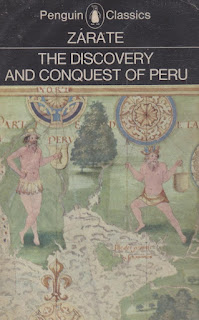
The Discovery and Conquest of Peru - Zarate.

பழைய புத்தக விற்பனையின் போது இந்தப்புத்தகத்தை வாங்கினேன். 1528ம் வருடம் ஸ்பானிய வீரர்கள், இன்றைய பனாமாவின் பசிபிக் கடற்கரைகளில் இருந்து தெற...