After running through a lot of stories on Anjaneya (this is the name Vanathy prefers) and Muruga, I was trying to find some other stories to tell the kids during bed time. So now we are going through the explorers of the world.
So far, we've covered Columbus, Cook, Amerigo vespucci, Vasco da Gama and Ernest Shackleton. And we finished the Lewis and Clark expedition yesterday. It is turning out to be a very good exercise so far and the kids are liking it so far. We also did some discussions based on the maps and the globe to see the routes they've taken and Sibi is absolutely fascinated by the stories.
Apart from what I've read, I am using the extensive Wikipedia entries on each of these voyages to tell the stories and also ask questions everyday to make sure they really understand. Of course, for Vanathy, only the adventure part registers while Sibi is making the connection with history as well.
So yesterday, J asked Sibi to tell her the story on Lewis and Clark expedition. It was an amazing story which Sibi came up with. He remembered most of the story but embellished it with his thoughts wherever he forgot something. I tried correcting him but then let him run through it as he wished. Now we've agreed to watch the PBS program on 'Lewis and Clark expedition' on the weekend (I've the DVD).
While he was telling the story, I was thinking of the future when Sibi standing on a cliff and watching the mighty Missippi flowing, will remember his father telling the story of the expedition long ago as a bedtime story. It was mushy but worth it.
The kids ask interesting questions while the story goes on. A sample.
Sibi - Appa, how come Columbus is lost? don't they have maps?
Me - Yesda, they dont have complete maps back in the fifteenth century and they were still exploring.
Vanathy - Appa, he could've asked Dora, she has a map.
Some of the discussion yesterday was about Jefferson and I was thinking of coming up with a condensed version of '1776' for the kids and J asked about the 'Civil war'. I am not so sure as Sibi may not be able to comprehend the actual issue of why the war was fought. So that have to wait.
Oftentimes I think I have taken Vanathy's growing up as more matter-of-fact than Sibi's. I think that goes for all second child's. Vanathy is hyperactive when compared to Sibi and has been since she started walking. I am thinking of the number of times we have to take her to the ER in the Apollo children's hospital and it is absolutely nerve-racking bringing her up. She is also more authoritative but loves her brother very much and demands things that she has to have. Now she has drawn up a big list for her birthday and we are trying to figure how to handle that.

நட்சத்திரம்
அதிகாலை.
வீட்டு பால்கனியில் நின்று அண்ணாந்து பார்த்துக் கொண்டிருக்கிறேன். கைக்கு எட்டும் தூரத்தில் சூரியன். தாங்க முடியாத வெப்பம்.
சேவல் கொண்டை சிவப்பில் நெருப்பு எரிவது அருகில் தெரிகிறது.
நில நடுக்கம் போல் ஒரு அதிர்ச்சி. நான் என் மனைவியை கூப்பிடுகிறேன். 'வேகமாய் வா'.
வெளியில் வருகிறாள். இருவரும் பார்க்கும் பொழுதே சூரியனில் இருந்து வேகமாய் நெருப்பு துண்டுகள் கீழே விழுகின்றன.
ஒரு சிறு ஓட்டை விழுகிறது. அதில் இருந்து இன்னும் பெரிய துண்டுகள். சிறு ஓட்டை பெரிதாகிறது. இப்பொழுது நிறைய சிறு ஓட்டைகள். வெப்பம் வேகமாய் குறைகிறது. சிறு ஓட்டைகள் எல்லாம் பெரிதாகின்றன.
கண் முன் சூரியன் துண்டு துண்டாய் சிதறி சட்டென்று மறைகிறது.
இருள். குளிர். மெல்லிய நீலமாய் வானம். எதுவுமற்ற பெருவெளியில் எல்லையில்லா வானம்.
வெப்பம் தணிந்ததில் அது வரை அடைந்து கிடந்த மனித கூட்டம் இப்போது தெருவில். எதற்கென்று தெரியாது ஒரு கொண்டாட்டம்.
கட்டறுத்த மகிழ்வில் சுழற்றி விட்ட பம்பரம் போல் பறக்கும் பூமி. சட்டென ஒரு தூரத்து நட்சத்திரத்தின் இழுப்பில் ஒரு தள்ளாட்டம். வெகு தூரத்தில் தெரியும் புதிய சூரியனை பார்த்து உற்சாக ஒலி எழுப்பும் கூட்டம்.
நானும் என் மனைவியும் ஒரு மரத்தின் கீழ்.
'என்ன ஆகும் இனி?'
'ஒளி இல்லை. மரங்கள் முதலில் செத்து மடியும். மரங்கள் இல்லை கரியமிலம் குடிக்க. பூமியின் வெப்பம் உயரும். ஆக்சிஜென் குறையும். தூரத்து சூரியனை பார்த்துக் கொண்டே நாமும் செத்து மடிவோம்'
விழுந்த இலை நீல நிறத்தில்.
வீட்டு பால்கனியில் நின்று அண்ணாந்து பார்த்துக் கொண்டிருக்கிறேன். கைக்கு எட்டும் தூரத்தில் சூரியன். தாங்க முடியாத வெப்பம்.
சேவல் கொண்டை சிவப்பில் நெருப்பு எரிவது அருகில் தெரிகிறது.
நில நடுக்கம் போல் ஒரு அதிர்ச்சி. நான் என் மனைவியை கூப்பிடுகிறேன். 'வேகமாய் வா'.
வெளியில் வருகிறாள். இருவரும் பார்க்கும் பொழுதே சூரியனில் இருந்து வேகமாய் நெருப்பு துண்டுகள் கீழே விழுகின்றன.
ஒரு சிறு ஓட்டை விழுகிறது. அதில் இருந்து இன்னும் பெரிய துண்டுகள். சிறு ஓட்டை பெரிதாகிறது. இப்பொழுது நிறைய சிறு ஓட்டைகள். வெப்பம் வேகமாய் குறைகிறது. சிறு ஓட்டைகள் எல்லாம் பெரிதாகின்றன.
கண் முன் சூரியன் துண்டு துண்டாய் சிதறி சட்டென்று மறைகிறது.
இருள். குளிர். மெல்லிய நீலமாய் வானம். எதுவுமற்ற பெருவெளியில் எல்லையில்லா வானம்.
வெப்பம் தணிந்ததில் அது வரை அடைந்து கிடந்த மனித கூட்டம் இப்போது தெருவில். எதற்கென்று தெரியாது ஒரு கொண்டாட்டம்.
கட்டறுத்த மகிழ்வில் சுழற்றி விட்ட பம்பரம் போல் பறக்கும் பூமி. சட்டென ஒரு தூரத்து நட்சத்திரத்தின் இழுப்பில் ஒரு தள்ளாட்டம். வெகு தூரத்தில் தெரியும் புதிய சூரியனை பார்த்து உற்சாக ஒலி எழுப்பும் கூட்டம்.
நானும் என் மனைவியும் ஒரு மரத்தின் கீழ்.
'என்ன ஆகும் இனி?'
'ஒளி இல்லை. மரங்கள் முதலில் செத்து மடியும். மரங்கள் இல்லை கரியமிலம் குடிக்க. பூமியின் வெப்பம் உயரும். ஆக்சிஜென் குறையும். தூரத்து சூரியனை பார்த்துக் கொண்டே நாமும் செத்து மடிவோம்'
விழுந்த இலை நீல நிறத்தில்.
சிபி
Sibi was badgering me with questions on Mughals yesternight. So I decided to counter him with some questions on my own and get some pause.
me - OK, tell me who Alam Gir 2 is.
Sibi - he is a great-great Grandson of Shah Jahan
me - (thinking so there is an idiot with that name) no, அவன் ஷாஜஹான் சித்தப்பாபையன்
Sibi - தப்பு, தப்பு
me - (thinking I've trapped him) huh, ஷாஜஹான் சித்தப்பா யாரு சொல்லு?
Sibi - ஷாஹ்ஜஹன்னுக்கு 3 சித்தப்பா. 2 அத்தை. (recites the names of the offspring of Jehangir)
me - (going blank) எங்கடா இதை எல்லாம் படிக்கிறே?
Sibi - Wikipedia, dad...
Another day...
நான் - Level 2 exam எப்படி எழுதினே?
சிபி - நல்லா பண்ணினேன். only 3 wrongs.
நான் - out of?
சிபி - 60. 57 correct.
நான் - ஆட்டத்த குறைக்கணும். ஆடாம practice பண்ணினா 60/60 வாங்கிஇருக்கலாம்.
சிபி - அப்படி இல்லப்பா. இவ்ளோ ஆட்டத்துக்கே 57 marks வாங்கிட்டேன். இன்னும் பயங்கரமா (?) ஆடுனா full marks வாங்கிடலாம்.
me - OK, tell me who Alam Gir 2 is.
Sibi - he is a great-great Grandson of Shah Jahan
me - (thinking so there is an idiot with that name) no, அவன் ஷாஜஹான் சித்தப்பாபையன்
Sibi - தப்பு, தப்பு
me - (thinking I've trapped him) huh, ஷாஜஹான் சித்தப்பா யாரு சொல்லு?
Sibi - ஷாஹ்ஜஹன்னுக்கு 3 சித்தப்பா. 2 அத்தை. (recites the names of the offspring of Jehangir)
me - (going blank) எங்கடா இதை எல்லாம் படிக்கிறே?
Sibi - Wikipedia, dad...
------------
Another day...
நான் - Level 2 exam எப்படி எழுதினே?
சிபி - நல்லா பண்ணினேன். only 3 wrongs.
நான் - out of?
சிபி - 60. 57 correct.
நான் - ஆட்டத்த குறைக்கணும். ஆடாம practice பண்ணினா 60/60 வாங்கிஇருக்கலாம்.
சிபி - அப்படி இல்லப்பா. இவ்ளோ ஆட்டத்துக்கே 57 marks வாங்கிட்டேன். இன்னும் பயங்கரமா (?) ஆடுனா full marks வாங்கிடலாம்.
------------
Adi Kesava Perumal temple
Happen to be in Sriperumbudur couple of days back and having to made to wait for couple of hours, spent the time visiting the Adi Kesava perumal temple or the Bashyakara temple. There are almost no one in the temple except me, a couple of priests, and a bunch of women police, I think, were on duty nearby.
Though it was a small temple (compared to, say, Thiruvidanthai), it was an interesting one. I think it must be about 700-800 years old. Definitely built after Ramanujar's period, it wore a deserted look on that particularly hot day.
Sri Perumbudur is the birth place of Ramanujar and there is a sannidhi near Perumal himself for him.
All pillars had the riding horseman in it. Oddly, half of them looked Caucasian for whatever reason.
The thulasi maadam looks oddly out of place. Must be a recent addition.
The karbhagriha walls are lined with the history of Ramajujar.
There are some recent murals on the outer praharam walls. This is a beautiful rendering of Perumal with Andal.
The Gopuram.
The mandabam.
The praharam.
Oddly, I couldn't find Andal's sannidhi in this temple. May be I missed (though I was there for 1-1.5 hours).
Nothing gives the odd peace of mind than an empty temple...
Though it was a small temple (compared to, say, Thiruvidanthai), it was an interesting one. I think it must be about 700-800 years old. Definitely built after Ramanujar's period, it wore a deserted look on that particularly hot day.
Sri Perumbudur is the birth place of Ramanujar and there is a sannidhi near Perumal himself for him.
All pillars had the riding horseman in it. Oddly, half of them looked Caucasian for whatever reason.
 |
 |
 |
 |
 |
 |
 |
 |
M.S: A life in music
After a lot of thought on writing about this book, decided to give it a shot. The book is 'M.S: A life in music' by T.J.S.George.
I came to know about this book through a old entry in writer Jeyamohan's blog. Read about it and didn't think much about it at that time. About a month back, when I was browsing the shelves in 'Odyssey', stumbled on a copy of it. Thumbing through it to see the pictures, first thing that I came across was a picture of MS looking at herself in a pool of water from the old movie 'Sakunthalai'. It was such a beautiful picture and I bought the book on an impulse.
I like biographies. I love Gore Vidal for just having written 'Burr'. For me, a good biography before everything else, sets the context and interweaves the story of the subject within that context. This is one of the reasons why I was not so happy with the biographies I read. They are either a sycophantic take on the subject itself or just a bunch of anecdotes segregated into chapters.
T.J.S.George starts the book with a leisurely history of the Carnatic music and the socio-economic conditions of the early 20th century, when MS was born. I never could appreciate the nuances of Carnatic music but the first 100 pages of the book clearly sets the tone for the rest of the book.
The focus then moves to the first 24 years of MS's life, which were the formative years. Choosing between films and concerts, running away from Madurai to avoid the fate of her sister, it is the period which determines how MS's life is going to be for the next 60 years. The period ends when she marries T.Sadasivam in Thiruneermalai.
Like many a households in the 1980's, 'Kalki' was a regular in our house and that's where I came across this couple, always written with gushing admiration. Never figured who they were and why such admiration in glowing terms.
The next 60 years of is dealt in about 60 pages with a list of honors, awards, world leaders she met etc. There is not much of a story here except the period when they move away from 'Kalki gardens' and the relationship with Rajaji.
George goes into lots of discussion about the way MSS, who was born in a Devadasi family, transforms herself into a perfect 'smartha iyer' wife. There is a discussion on the 'sanscritization' as a means to move upwards (in this case from a devadasi into a 'smartha iyer').
One of the successes of the book is the kind of walking-on-the-blade attitude when all these are discussed. Very easily a discussion like this can turn into just a gossip-mill yellow hournalism. George avoids to titillate by focusing on the music and the social factors that helped MSS in this factor.
In a larger sense, I think this kind of conformism is not just true for MS in 1940, it is equally true for the women of 2010 as well. Born in a absolutely male chauvinistic society such as ours (where the movies still portray heroes lecturing the girls on our culture!), it is a constant struggle for me to keep avoiding to fall into the pit. Women in our society, irrespective of the caste they were born into, are expected to conform into the wishes of the male directly or indirectly. Girls always resign their jobs and move to the place where the guy is working. Girls always chose to give up their jobs to travel with the guy when he travels abroad. The list is long and most of it is subtle coercion. And most of the girls I talked to never even realize the violence such an act represents.
So it is perfectly easy to understand the predicament of MS in 1940 to chose and become a submissive wife and allow her career to be molded by Sadasivam.
It is in the brief interlude on her romance with GNB, MS ,finally and probably for the last time in her life, acts like a woman who lets her heart pouring out in the letters that George came across. Jeyamohan discusses in detail on the need for the such pleadings in the society of that time. On top of being born in a devadasi family, MS was also a film star, when her romance with GNB started. This puts her on the defensive in terms of explaining herself and surrendering herself completely to GNB. I was thinking of Mohana in 'Thillana Mohanambal'. I read that novel anticipating her to blast Shanmugasundaram for always keeping her on the toes. It never happens.
MS marries Sadasivam in the end and I could understand the exact predicament she must've gone through to take such a decision. But in a way, she chose well and achieved fame and what not. All I could think was, whether she ever thought of the 'what if' of it.
Overall, a good book and good read.
PS. I am also half way through with Guha's book on Indian history and Pavan Varma's book on the divinity of 'Krishna'.
I came to know about this book through a old entry in writer Jeyamohan's blog. Read about it and didn't think much about it at that time. About a month back, when I was browsing the shelves in 'Odyssey', stumbled on a copy of it. Thumbing through it to see the pictures, first thing that I came across was a picture of MS looking at herself in a pool of water from the old movie 'Sakunthalai'. It was such a beautiful picture and I bought the book on an impulse.
I like biographies. I love Gore Vidal for just having written 'Burr'. For me, a good biography before everything else, sets the context and interweaves the story of the subject within that context. This is one of the reasons why I was not so happy with the biographies I read. They are either a sycophantic take on the subject itself or just a bunch of anecdotes segregated into chapters.
T.J.S.George starts the book with a leisurely history of the Carnatic music and the socio-economic conditions of the early 20th century, when MS was born. I never could appreciate the nuances of Carnatic music but the first 100 pages of the book clearly sets the tone for the rest of the book.
The focus then moves to the first 24 years of MS's life, which were the formative years. Choosing between films and concerts, running away from Madurai to avoid the fate of her sister, it is the period which determines how MS's life is going to be for the next 60 years. The period ends when she marries T.Sadasivam in Thiruneermalai.
Like many a households in the 1980's, 'Kalki' was a regular in our house and that's where I came across this couple, always written with gushing admiration. Never figured who they were and why such admiration in glowing terms.
The next 60 years of is dealt in about 60 pages with a list of honors, awards, world leaders she met etc. There is not much of a story here except the period when they move away from 'Kalki gardens' and the relationship with Rajaji.
George goes into lots of discussion about the way MSS, who was born in a Devadasi family, transforms herself into a perfect 'smartha iyer' wife. There is a discussion on the 'sanscritization' as a means to move upwards (in this case from a devadasi into a 'smartha iyer').
One of the successes of the book is the kind of walking-on-the-blade attitude when all these are discussed. Very easily a discussion like this can turn into just a gossip-mill yellow hournalism. George avoids to titillate by focusing on the music and the social factors that helped MSS in this factor.
In a larger sense, I think this kind of conformism is not just true for MS in 1940, it is equally true for the women of 2010 as well. Born in a absolutely male chauvinistic society such as ours (where the movies still portray heroes lecturing the girls on our culture!), it is a constant struggle for me to keep avoiding to fall into the pit. Women in our society, irrespective of the caste they were born into, are expected to conform into the wishes of the male directly or indirectly. Girls always resign their jobs and move to the place where the guy is working. Girls always chose to give up their jobs to travel with the guy when he travels abroad. The list is long and most of it is subtle coercion. And most of the girls I talked to never even realize the violence such an act represents.
So it is perfectly easy to understand the predicament of MS in 1940 to chose and become a submissive wife and allow her career to be molded by Sadasivam.
It is in the brief interlude on her romance with GNB, MS ,finally and probably for the last time in her life, acts like a woman who lets her heart pouring out in the letters that George came across. Jeyamohan discusses in detail on the need for the such pleadings in the society of that time. On top of being born in a devadasi family, MS was also a film star, when her romance with GNB started. This puts her on the defensive in terms of explaining herself and surrendering herself completely to GNB. I was thinking of Mohana in 'Thillana Mohanambal'. I read that novel anticipating her to blast Shanmugasundaram for always keeping her on the toes. It never happens.
MS marries Sadasivam in the end and I could understand the exact predicament she must've gone through to take such a decision. But in a way, she chose well and achieved fame and what not. All I could think was, whether she ever thought of the 'what if' of it.
Overall, a good book and good read.
PS. I am also half way through with Guha's book on Indian history and Pavan Varma's book on the divinity of 'Krishna'.
முஸ்லிம் அம்மா
ஓர் இரு வாரங்களுக்கு முன் 'முஸ்லிம் அம்மா' இறந்து விட்டதாக என் மனைவி சொன்னாள். அப்போதிருந்து இந்த பதிவை எழுதிக்கொண்டிருக்கிறேன்.
எனக்கு 'முஸ்லிம் அம்மா'வின் பெயர் தெரியாது. அவரது கதையும் என் அம்மா சொல்லி கொஞ்சம் தெரியும். அது எவ்வளவு தூரம் உண்மை என்றும் தெரியாது.
நான் பள்ளியில் படித்து கொண்டிருந்த நேரம். 5-6 வகுப்புகளாய் இருக்கலாம். அப்போதுதான் 'முஸ்லிம் அம்மா' அறிமுகமானார்கள் (எனக்கு). ஒரு முக்காடிடப்பட்ட வெள்ளை சேலை. கையில் ஒரு குடை. ஒரு சிறு பை. அதில் பல முறை வாசிக்கப்பட்டு மிகவும் பழையதான ஒரு பைபிள். இதுதான் 'முஸ்லிம் அம்மா'.
என் அப்பாவின் அம்மா ஒரு (மதம் மாறிய) கிறிஸ்தவர். மதுரை CSI (Church or South India)வில் உறுப்பினர். அங்கு ஊழியம் பார்ப்பவர் 'முஸ்லிம் அம்மா' (ஊழியம் - சர்ச்சில் வேலை செய்வது, உறுப்பினர்களின் வீடுகளுக்கு சென்று ஜெபம் செய்வது போன்ற காரியங்கள்). அப்பொழுது நண்பர்கள் ஆனவர்கள் என் அப்பாம்மையும் 'முஸ்லிம் அம்மா'வும்.
அந்த நட்பின் காரணமாய் எங்கள் வீடுகளுக்கும் (பெரியப்பா, சித்தப்பா வீடுகளுக்கும்) வருவார். அநேகமாய் மாதம் ஒரு முறை என்று ஞாபகம். எனக்கு நினவிருப்பதல்லாம் அவர் நல்ல வெயில் காலங்களில் வருவார். வந்தவுடன் ஒரு தம்பளர் தண்ணீர் குடிப்பார். என் அம்மா ஒரு பாயை விரித்து என்னையும் என் தம்பியையும் உள்ளே வர சொல்லுவார்கள். எல்லோரும் மண்டியிட்டு அமர்ந்ததும் ஜெபம் தொடங்கும்.
'முஸ்லிம் அம்மா' கிறிஸ்தவ ஊழியம் பார்ப்பதன் முரண் எனக்கு உரைக்க சில வருடங்களானது. அப்போது தான் என் அம்மா எனக்கு முஸ்லிம் அம்மாவின் கதையை சொன்னார். மதுரை கோரிப்பாளையத்தில் ஒரு முஸ்லிம் குடும்பத்தில் பிறந்தவர். பதின் வருடங்களிலேயே கிறிஸ்தவ மதத்தின்பால் ஈர்க்கப்பட்டு கிறிஸ்தவராக மாற முயற்சி பண்ணி இருக்கிறார். குடும்பத்தில் பலத்த எதிர்ப்பு. பெல்டில் அவரது தந்தை அடித்ததாகவும், அதன் தழும்புகள் அவரது முதுகில் இன்னும் இருப்பதாகவும் அம்மா சொல்லி கேட்டு இருக்கிறேன். அதன் பின்னர் ஒரு கட்டத்தில் அவர் ஞானஸ்தானம் பெற்று கிறிஸ்தவராகி விட்டார். ஆனால் திருமணம் செய்யாமல் தன் வாழ்க்கையை சர்ச்சுக்கு கொடுத்து விட்டார். தனியே ஒரு வீட்டில் வாழ்ந்து, தினமும் சர்ச்சுக்கு சென்று வேலைகள், ஜெபம் என்று வாழ்க்கையை அமைத்துக் கொண்டார்.
வீட்டில் ஜெபம் செய்யும் போது அவர் முதலில் பைபிளில் இருந்து சில வசனங்களை வாசிப்பார். பின்னர், என் அப்பாவின் வியாபரம், எங்கள் படிப்பு என பல விசயங்களை தொட்டு செல்லும். இயேசு பலகணியில் இருந்து பல செல்வங்களையும், வைர, வைடூரியங்களையும் கொடுப்பதாக சொல்லுவர். நானும் ஒரு உப்பரிகையில் இருந்து எங்களுக்கு செல்வம் கொட்ட போவதாக சில காலம் நம்பிக்கொண்டிருந்தேன். கைக்கும் வாய்க்குமான எங்கள் குடும்ப போராட்டம் புரியும் வரை.
ஜெபம் முடிந்தவுடன் ஒரு காபியோ தண்ணீரோ கேட்டு வங்கி குடிப்பார். கையில் காசில்லாத குடும்பம். அம்மா ஒரு படி அரிசி கொண்டு வந்து 'முஸ்லிம் அம்மா'வின் பையில் தட்டுவார். சில வார்த்தைகளுக்கு பின் படி இறங்கி செல்வார். வெயிலில் அவர் அடுத்து எங்கு செல்வார் என்று சில நாட்கள் யோசித்திருக்கிறேன்.
நான் கல்லூரி சென்ற பிறகு அவரை சந்திக்கும் வாய்ப்பு குறைந்து விட்டது. அம்மா அவ்வபோது சொல்லுவார். நாங்கள் படித்து வேலை என்று வந்த பிறகு அது குறித்து அவர் மிகவும் சந்தோஷ பட்டதாக ஒரு முறை சொன்னார். அவ்வளவே. இப்போது 'முஸ்லிம் அம்மா' இறந்துவிட்டார்.
ஒரு முறை அவரை சென்று பார்த்திருக்கலாமோ என்று தோன்றுகிறது.
எனக்கு 'முஸ்லிம் அம்மா'வின் பெயர் தெரியாது. அவரது கதையும் என் அம்மா சொல்லி கொஞ்சம் தெரியும். அது எவ்வளவு தூரம் உண்மை என்றும் தெரியாது.
நான் பள்ளியில் படித்து கொண்டிருந்த நேரம். 5-6 வகுப்புகளாய் இருக்கலாம். அப்போதுதான் 'முஸ்லிம் அம்மா' அறிமுகமானார்கள் (எனக்கு). ஒரு முக்காடிடப்பட்ட வெள்ளை சேலை. கையில் ஒரு குடை. ஒரு சிறு பை. அதில் பல முறை வாசிக்கப்பட்டு மிகவும் பழையதான ஒரு பைபிள். இதுதான் 'முஸ்லிம் அம்மா'.
என் அப்பாவின் அம்மா ஒரு (மதம் மாறிய) கிறிஸ்தவர். மதுரை CSI (Church or South India)வில் உறுப்பினர். அங்கு ஊழியம் பார்ப்பவர் 'முஸ்லிம் அம்மா' (ஊழியம் - சர்ச்சில் வேலை செய்வது, உறுப்பினர்களின் வீடுகளுக்கு சென்று ஜெபம் செய்வது போன்ற காரியங்கள்). அப்பொழுது நண்பர்கள் ஆனவர்கள் என் அப்பாம்மையும் 'முஸ்லிம் அம்மா'வும்.
அந்த நட்பின் காரணமாய் எங்கள் வீடுகளுக்கும் (பெரியப்பா, சித்தப்பா வீடுகளுக்கும்) வருவார். அநேகமாய் மாதம் ஒரு முறை என்று ஞாபகம். எனக்கு நினவிருப்பதல்லாம் அவர் நல்ல வெயில் காலங்களில் வருவார். வந்தவுடன் ஒரு தம்பளர் தண்ணீர் குடிப்பார். என் அம்மா ஒரு பாயை விரித்து என்னையும் என் தம்பியையும் உள்ளே வர சொல்லுவார்கள். எல்லோரும் மண்டியிட்டு அமர்ந்ததும் ஜெபம் தொடங்கும்.
'முஸ்லிம் அம்மா' கிறிஸ்தவ ஊழியம் பார்ப்பதன் முரண் எனக்கு உரைக்க சில வருடங்களானது. அப்போது தான் என் அம்மா எனக்கு முஸ்லிம் அம்மாவின் கதையை சொன்னார். மதுரை கோரிப்பாளையத்தில் ஒரு முஸ்லிம் குடும்பத்தில் பிறந்தவர். பதின் வருடங்களிலேயே கிறிஸ்தவ மதத்தின்பால் ஈர்க்கப்பட்டு கிறிஸ்தவராக மாற முயற்சி பண்ணி இருக்கிறார். குடும்பத்தில் பலத்த எதிர்ப்பு. பெல்டில் அவரது தந்தை அடித்ததாகவும், அதன் தழும்புகள் அவரது முதுகில் இன்னும் இருப்பதாகவும் அம்மா சொல்லி கேட்டு இருக்கிறேன். அதன் பின்னர் ஒரு கட்டத்தில் அவர் ஞானஸ்தானம் பெற்று கிறிஸ்தவராகி விட்டார். ஆனால் திருமணம் செய்யாமல் தன் வாழ்க்கையை சர்ச்சுக்கு கொடுத்து விட்டார். தனியே ஒரு வீட்டில் வாழ்ந்து, தினமும் சர்ச்சுக்கு சென்று வேலைகள், ஜெபம் என்று வாழ்க்கையை அமைத்துக் கொண்டார்.
வீட்டில் ஜெபம் செய்யும் போது அவர் முதலில் பைபிளில் இருந்து சில வசனங்களை வாசிப்பார். பின்னர், என் அப்பாவின் வியாபரம், எங்கள் படிப்பு என பல விசயங்களை தொட்டு செல்லும். இயேசு பலகணியில் இருந்து பல செல்வங்களையும், வைர, வைடூரியங்களையும் கொடுப்பதாக சொல்லுவர். நானும் ஒரு உப்பரிகையில் இருந்து எங்களுக்கு செல்வம் கொட்ட போவதாக சில காலம் நம்பிக்கொண்டிருந்தேன். கைக்கும் வாய்க்குமான எங்கள் குடும்ப போராட்டம் புரியும் வரை.
ஜெபம் முடிந்தவுடன் ஒரு காபியோ தண்ணீரோ கேட்டு வங்கி குடிப்பார். கையில் காசில்லாத குடும்பம். அம்மா ஒரு படி அரிசி கொண்டு வந்து 'முஸ்லிம் அம்மா'வின் பையில் தட்டுவார். சில வார்த்தைகளுக்கு பின் படி இறங்கி செல்வார். வெயிலில் அவர் அடுத்து எங்கு செல்வார் என்று சில நாட்கள் யோசித்திருக்கிறேன்.
நான் கல்லூரி சென்ற பிறகு அவரை சந்திக்கும் வாய்ப்பு குறைந்து விட்டது. அம்மா அவ்வபோது சொல்லுவார். நாங்கள் படித்து வேலை என்று வந்த பிறகு அது குறித்து அவர் மிகவும் சந்தோஷ பட்டதாக ஒரு முறை சொன்னார். அவ்வளவே. இப்போது 'முஸ்லிம் அம்மா' இறந்துவிட்டார்.
ஒரு முறை அவரை சென்று பார்த்திருக்கலாமோ என்று தோன்றுகிறது.
வெட்டுப்புலி
 சமீபத்தில் நான் வேகமாக படித்த நாவல் "வெட்டுப்புலி". தமிழ்மகன் எழுதியிருக்கும் இந்த நாவல் ஒரு விதத்தில் எனக்கு "Forrest Gump"யை நினைவுக்கு கொண்டு வருகிறது.
 "வெட்டுபுலி" தீப்பெட்டியில் இருக்கும் படம் தனதுதாத்தாவிடையது என்று தெரியவந்ததும் கதை நாயகன் அந்தகதையை தேடி புறப்படுகிறான். தாத்தா சிறுத்தையை அடித்தகதைக்காக ஊத்துகோட்டையில் 1934 ல் ஆரம்பிக்கும் கதை நியூயோர்கில் 2010 ல் முடிகிறது.
வழியில் நாயகனின் குடும்ப கதையும் அதன் ஊடே வட தமிழகத்தின், திராவிடஇயக்கத்தின் வரலாறும் சொல்லப்படுகிறது. பெரியாரால் நடு சந்திக்கு கொண்டு வரப்பட்டு இன்றும் தீராத விவாதங்களோடு இருக்கும் 'சாதி' ஒரு முக்கிய பாத்திரம். திராவிட அரசியலால் பொது வாழ்விற்கு வந்த ஒரு தலைமுறை எப்படி disillusion ஆகிறது என்பது ஒரு கிளைக்கதையாக விரிகிறது.
அன்பழகன், பெரியார், அண்ணாதுரை, கலைஞர் என எல்லோரம் கதையின்போக்கில் வருகிறார்கள். சினிமா பேசாதிருந்து மெதுவாய் அரசியலில் நுழைந்து ஆட்சியை பிடிக்கிறது.
தாழ்ந்த சாதி பெண்ணை விரும்பியதால் ஊரை விட்டு ஓடிப் போன லக்ஷ்மணரெட்டியின் பேரன் ஒரு தாழ்ந்த சாதி பெண்ணை மணமுடிக்கிறான். தியாகராசன் திராவிட அரசியலை வெறுத்து பாண்டி 'அம்மா' பக்தனகிறான்.
கதை சின்னா ரெட்டியின் குடும்பத்தின் பல கிளைகளையும் தொட்டு செல்கிறது. சில இடங்களில் காலமும் முன்னும் பின்னுமாய் போகிறது. ஆனால் ஒருநேர்த்தியான கதையை சொல்லப்படுகிறது.
என்னை பொறுத்தவரை வித்தியாசமான முயற்சி. அவ்வளவே.
அடுத்து Ramachandra Guha's 'India after Gandhi'. புத்தகத்தின் அளவை பார்க்கும் போது இன்னும் ஒரு மாதமாவது ஆகும் படித்து முடிக்க.
பி. கு.
இன்றைய 'Sun Music'ல் ஒரு உரையாடல்.
compere - ஹலோ, வணக்கம். உங்களுக்கு இன்றைய மே தின வாழ்த்துக்கள்.
caller - ஆமா மேடம், உங்களுக்கும் 'தல' பிறந்த நாள் வாழ்த்துக்கள்.
compere - இல்லைங்க, இன்னைக்கு உழைப்பாளர் தினம். அந்த வாழ்த்துக்களைசொன்னேன்.
caller - அப்படியா, எதுக்கும் ஒரு அட்டகாசமான 'தல' பாட்டை போடுங்க.
இது போல ஒரு 10 -20 நிமிடங்களில் 2-3 பேர். எதற்கு இந்த 'உழைப்பாளர் தின' farce? பேசாமல் அடுத்த வருடத்தில் இருந்து மே 1 ஐ 'தல' பிறந்த நாளாககொண்டாடிவிட்டு போகலாம்.
Subscribe to:
Posts (Atom)
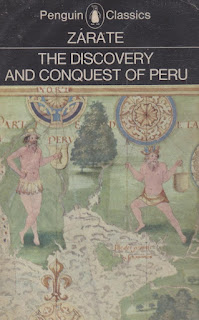
The Discovery and Conquest of Peru - Zarate.
பழைய புத்தக விற்பனையின் போது இந்தப்புத்தகத்தை வாங்கினேன். 1528ம் வருடம் ஸ்பானிய வீரர்கள், இன்றைய பனாமாவின் பசிபிக் கடற்கரைகளில் இருந்து தெற...
-
முள்ளால் எழுதிய ஓலை by உ.வே.சாமிநாதையர் My rating: 5 of 5 stars தமிழ் தாத்தா உ.வே.சா அவர்களின் 'என் சரித்திரம்' எ...
-
எம்.ஆர். ராதாவின் சிறைச்சாலை நினைவுகள் படித்தேன். விந்தன் தினமணி கதிரில் எழுதியது. விந்தனின் கதைகள் படித்திருக்கிறேன். முழுக்கவும் உரையா...
-
ஆலங்கோட்டு லீலா கிருஷ்ணன் மலையாளத்தில் எழுதிய இந்த புத்தகம் சந்தியா பதிப்பகத்தின் மூலம் மொழி பெயர்த்து கிடைக்கிறது. இந்த வருட புத்தக கா...

