A Curious History of Sex by Kate Lister
Not sure of the last time I enjoyed a book this much. Kate Lister writes fabulously well and looks at Sex in a different perspective with lots of insights. However, as she points out this is not a comprehensive history of Sex. This barely covers the British/European history of sex but talks about a lot of things that may be of interest.
Kate Lister's 'Whore of yore' twitter feed (@WhoresofYore) is quite famous and I've been following it for quite sometime now. So when I came to know about this book, it added itself to the list.
"If you shake any book by Sade, a cunt will fall out; Sade is a cunt piñata.”
The book has a bunch of very interesting chapters starting with one on the origins of the word - Whore. However, I personally liked the one which explored the origin and usage of Cunt and it was fascinating. Not just listing the usage, she also delves into the ways the word is used in the past and today and the implications of the same.
My favorite chapter is the one called 'Sex and Bread' where in the relationship of Sex with Bread is discussed. Food, ofcourse is always associated with sex and the association is discussion humorously. Of course some of it is quite shocking (but there are enough things in the book to be in a perpetual shock state) and some very funny. It gives one ideas.
“Should a lover ever approach you carrying an oddly squashed farmhouse loaf, don’t say I didn’t warn you.”
However, the book is also serious about its subject and discuss the various aspects of the sex very graphically as well. Perhaps, I should've said this earlier. If you are prudish about sex, menstruation, mutilation, pillory sentences, rape - basically anything associated with your body - you should abstain from this book.
There is a chapter on how cycles basically liberated the Victorian women and terrified the men because "“they forced a recognition that women had two legs and that they opened.” The book is full of gems like this.
Prostitution - both male and female - or sex work is dealt in detail and discusses the various aspects of it as well. It is also very sympathetic to the way the sex workers are treated and the biased societal views associated with them.
My only regret is that there is not much of history outside of Europe/Britain and I wish she will write a companion volume to document some of the things outside that. Remember the anthropology study of the fantastic sexual practices of the South seas islands, I've read a while back. There is enough material to fill a 12 volume set here. ;-)


புத்தகத்தை பதிப்பித்தல்.
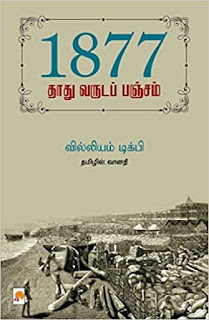
எனவே, தமிழ் கூறும் நல்லுலகின் புத்தம்புதிய எழுத்தாளனாக, மற்றவர்களுக்கு எழுத்து பற்றி அறிவுரை சொல்லும் தகுதியை பெற்றுவிட்டேன் என்று தாழ்மையோடு தெரிவித்துக் கொள்கிறேன்.
இருந்தாலும், தன்னடக்கம் என்னுடன் பிறந்தது என்பதால், நான் எழுத வந்த கதையை சொல்லிவிடுகிறேன். எனக்கென்று ஒரு நோட்டுப்புத்தகம் கிடைத்த நாளில் இருந்து எழுதிக்கொண்டுதான் இருக்கிறேன். என்னுடைய 12-13ம் வயதில் ஆரம்பித்த இந்த பித்து, ஒரு காலத்திலும் விட்டுவிலகவில்லை.
வாரமலர் கவிதைகளை படித்துவிட்டு ஒரு நான்கு-ஐந்து வருடம் கவிதை எழுதி கொண்டிருந்தேன். அப்போதும், நான் படித்ததையும், கேட்டதையும் - குறிப்பாக அறிவியல், பெண்கள் தொடர்பான என் பதின்ம மனக்குழப்பங்களையும் எழுதியிருக்கிறேன். படித்த புத்தகங்கள், திரைப்படங்கள் என அனைத்திற்கும் விமர்சனம் எழுதியிருக்கிறேன். சென்று வந்த இடங்களை பற்றிய பிரயாண கட்டுரைகளையும் எழுதியிருக்கிறேன். இவை எல்லாம் எந்த அளவிற்கு பதிப்பிக்க கூடியவை என்று எனக்கு தெரியவில்லை. அந்த பக்கங்களில் ஓரிடத்தில் நான் வாழ்வில் செய்யவேண்டியவை, போகவேண்டிய இடங்கள் என்று ஒரு பட்டியல் எழுதியிருக்கிறேன். அதில் பதிப்பிக்கப்படும் எழுத்தாளனாக வேண்டும் என்பதும் ஒன்று.
கொரோனா அனைவரையும் முடக்கிப்போட்ட காலத்தில், நான் வாசித்த 'Newyorker' பத்திரிகை கட்டுரை மொழிபெயர்க்கவேண்டிய முக்கியமானதாக தெரிந்தது. எனவே மொழிபெயர்த்தேன். அதை சில பத்திரிகைகளுக்கும் அனுப்பினேன். ஒரு பதிலும் இல்லை. அந்த கட்டுரைகளை இந்த தளத்திலேயே பதிப்பித்துவிட்டேன்.
அதற்கு சில மாதங்களுக்கு முன் ஒரு கவிதை தொகுப்பை பதிப்பித்திருந்தேன். எனவே நாம் ஏன் கிண்டிலில் பதிப்பிக்க கூடாது என்று ஒரு எண்ணம். நான் படித்திருந்த பல புத்தகங்கள் தமிழில் இல்லை என்பதே முதல் எண்ணமாக இருந்தது. இவற்றை ஏன் பதிப்பிக்க கூடாது என்றுதான் ஆரம்பித்தேன். அப்போதிருந்து வரையிலான 22 மாதங்களில் 23 புத்தகங்களை மொழிபெயர்த்துவிட்டேன்.
நான் வகுத்துக்கொண்ட விதிகள் மிகவும் எளிமையானவை.
1. எனக்கு பிடிக்கும் புத்தகங்களை மட்டுமே மொழிபெயர்ப்பேன்.
2. முன்னரே தமிழில் இருக்கக்கூடாது. குறைந்தது இப்போது கிடைக்கக்கூடாது.
3. பதிப்பிப்பது என்பது ஒரு இலக்காக இருந்தாலும், பதிப்பிக்காமல் இருப்பதில் எனக்கு எந்த நட்டமும் இல்லை. கிண்டில் மட்டுமே எனது தளம்.
பல புத்தகங்களை மொழிபெயர்க்க ஆரம்பித்து, பல்வேறு காரணங்களுக்காக பாதியில் நிறுத்திவிட்டேன். நான் மொழிபெயர்க்கும் நூல்கள் அவற்றின் தனித்தன்மைக்காகவே கவனிக்கப்படும் என்பதில் எனக்கு நம்பிக்கை இருந்தது.
சென்ற வருட ஆரம்பத்திலேயே பதிப்பகங்களை அணுக ஆரம்பித்தேன். ஆனால் யாரும் ஆர்வம் காட்டவில்லை. நானும் தொடர்ச்சியாக தொல்லை கொடுப்பவன் இல்லை. உனக்கு வேண்டாம் என்றால், எனக்கும் வேண்டாம் என்றுதான் இருந்தேன்.
அப்படியே சென்ற பிப்ரவரி மாதம் கிழக்கு பதிப்பகத்தை அணுகினேன். உடனே பதில் வந்தது. என்னுடைய பிரதிகளை வாசித்துப்பார்க்க கேட்டார்கள். கொடுத்தேன். உடனே இரண்டாம் அலை வந்துவிட்டது. இருந்தாலும், கிழக்கு ஆசிரியர் மருதன் தொடர்ச்சியாக என்னிடம் பேசிக் கொண்டே இருந்தார். அக்டோபர் மாதம் போலவே பதிப்பிக்கப்படுவது உறுதியானது. ஜனவரியில் புத்தகச்சந்தையில் வெளியாகும் என்று உறுதியானது. மூன்றாம் அலை திரும்பவும் எல்லாவற்றையும் குழப்பிப்போட்டது. இந்த பிப்ரவரியில் பதிப்பில் வந்துவிட்டது. ஆரம்பிக்கப்போகும் புத்தகச்சந்தையிலும் கிடைக்கும்.
இன்னமும் என்னுடைய மற்ற புத்தகங்களுக்காக பதிப்பகங்களை அணுகிக் கொண்டுதான் இருக்கிறேன். பல நிராகரிப்புகள் வந்து கொண்டுதான் இருக்கின்றன.
இந்தக் கதையின் நீதி என்ன என்றால், ஒன்றுமில்லை. நமக்கு ஒன்று வேண்டுமென்று நினைத்து, அதற்கு தேவையானதை செய்தால், அது தானாகவே நடக்கும். அவ்வளவே.
வெறுமனே இதை வாசிக்க மட்டும் செய்யாமல், புத்தகத்தையும் வாங்குங்கள்.
கிடைக்கும் இடங்கள்:
1. https://www.flipkart.com/1877-thathu-varuda-pancham/p/itmc306c2ed62d5f
The Grand Anicut - Veena Muthuraman
 When I first saw this book, what interested me was that the books is about the people of Tamil Nadu in the first century AD. It is a period where there is not much fiction about this period in Tamil of English. If there is, it is primarily about the Kings and Princes and it got so boring that I stopped reading those in my school days. So I thought it is worth trying it out.
And the book didn't disappoint. It is the Sangam period and there is no clear timeline of the kings and the epics available. So it is a bit convenient to draw the timeline the way it is needed. The rich corpus of poems in this period - 'Kurunthogai', 'Natrinai', 'Agananooru','Purananooru' - talks a lot of the people who lived in this period. So, it is very clever the way the author uses these to weave an interesting tale.
The book uses the above and other literary sources to tell a tale about an assassination plot. However it is told through the tale of the people of the kingdom. We get to see a cross section of the inhabitants of the kingdom, their customs, the social conflicts and importantly, we get to see a few of the people from all strata of the society. To me, the interest lies in the fact that the story interjects a lot of the Epics and songs of yore.
The story starts with a young Roman trader, Marcellus landing in the legendary Puhar. From there the plot goes through a lot of twists and turns, moving the story along. We also meet a Buddhist monk, Zhang, the religious conflicts of the day is told through the way the plot develops. along with it we also see the conflicts within the kingdom. However a lot of things are not what it seems.
The story ends with the failure of the assassination plots failure(of course) and ties of the loose ends neatly. There is no glorification of the kings or the kingdom but a more realistic depiction of the conflicts and issues of the day. It may be fiction but for a change, it is fresh because of that. Especially if you are tired of reading about the exploits of kings and princes and stale romances with dull-witted princesses.
Overall, a different book with a refreshing perspective on the ancients times of Tamil history. Recommended read.
Modern Love (2021)
Modern Love - season 2 is here. It is kind of weird for me to find out today that I did not write about season 1. Because it was and is kind of the most favorite romantic series.
I am going to write a little about the season 2 along which we were watching for the past month or so. Although there were only 8 episodes, there were travels, parties and other unpleasant things that interrupted us to finish it in one go. But then thats the price one pay, I guess.
Anyway, let me start with a little background. I started reading the column 'Modern Love' in the NY Times back in 2014-15, when NYT used to be largely free to read and stopped reading around 2018-19 when most of NYT went behind the paywall. The column is little episodes of romantic escapes of men and women from primarily NewYork but also from other parts of the world. It was interesting because it captures a lot of emotions and in a lot of scenarios, these were stories that are happening in real life and so, there is no conclusion to them in a real sense.
So when the season 1 was made, it was a great to see some of the best of those columns made into little romantically wrapped candies and with some great music as well. So it was with a lot of expectation that we went in the season 2.
It didn't disappoint either. However as always with little episodes, there are some great episodes and some that are a dud. Overall, it delivers an experience which I think is best captured, when you snuggle with your love and watch all episodes. However, time is a luxury and hence all you end up doing is rationing the episodes during the dinnertime, which may not be a great experience but probably a theme for another 'Modern Love' episode in season 3, I guess.
The opening episode probably ranks the highest in the season 2. Here a woman tries to sell a old sports car, which used to be owned by her late husband. She feels his presence in the car. Her second husband buys it back for her to keep as a token of remembrance and understands that it is difficult to get rid of memories. Fabulous scenery, the story told with little episodes of flashbacks, the last act of love by giving her the car back - the love that does not dramatize its presence but by just understanding the partner and share what cannot become full. It is probably the best reason why the best love stories need not be tragic or even melodramatic but can just ride on the emotions and understanding.
Unfortunately, none of the other stories come closer to this rock-star episode, though there are a lot of interesting stories, if you care to watch. I loved the 'Strangers on a train' episode which had an 'Affair to remember' kind of drama with it and while it sounded a little far-fetching (I mean, no social media presence for both the leads?), the premise is set for a great story and it did deliver (though the conclusion was not the perfect one). The final episode of the series 'Second Embrace' is another little romantic soap in half an hour with so much going on. What I liked is those 30 second shots, of the estranged husband peeling of the bandage from his ex-wife's removed breast scars or the way he prompts the place of their daughter's recital to remind her - those are the reasons you watch 'Modern Love' anyway.
The other episodes are okish and sometimes, a bit not sure why they belong in the series. However, while there may be partial disappointments, mostly it is worth watching.
The excellent thing about the series is the excellent soundtrack that comes with every episode. From Van Morrison to Neil Young, there is a lot of songs that absolutely fits the episodes well and is worth searching for and finding that Amazon has released it as an album. (https://youtube.com/playlist?list=PLWz2DO39R-NWzye-BRND4Pk3GfuT2xjEb)
Overall, if you are a romantic sap like me, must watch.
சார்பட்டா பரம்பரை (2021)
நேற்று 'சார்பட்டா பரம்பரை' பார்த்தேன். தமிழில் வாழ்வியல் சார்ந்த, அரசியல் திரைப்படங்கள் வருவது இல்லை. நமது இயக்குனர்களும், கதை சொல்லிகளும் அரசியலை தொடக்கூடாத வஸ்துவாக பார்ப்பதன் விளைவு இது. 80களில் வந்த அரசியல் திரைப்படங்களில் பேசிய அளவிற்கு கூட இப்போது பேசப்படுவதில்லை. எல்லோருக்கும், எல்லோரை பார்த்தும் பயம்.
அதனாலேயே, ரஞ்சித் வித்தியாசப்படுகிறார். அவர் வெளிப்படையாக தனது அரசியலை பேசுகிறார். முன் வைக்கிறார். அதன் மூலம் எழும் விவாதங்களை எதிர் கொள்கிறார். அவரது படங்கள் தொடர்ச்சியாக ஒரே அரசியலை, பட்டியலினத்தவர்களின் அரசியலை பேசுகின்றன. உங்களுக்கு அவற்றுடன் வேறுபாடு இருக்கலாம். ஆனால், அவற்றை நீங்கள் புறக்கணிக்க முடியாது.
'அட்டகத்தி'யில் அவர் முன்வைத்த மக்களின் வாழ்வு, அதுவரை தமிழில் சொல்லப்படாத கதை. அதனாலேயே அது மிகவும் இயற்கையாகவும், புதியதாகவும் இருந்தது. இரண்டு ரஜினியின் படங்களில் அவர் நீர்த்து போனதாக சொன்னாலும், எனக்கு இரண்டுமே பிடித்துத்தான் இருந்தது. 'காலா' பேசிய அரசியலில் எந்த சமரசமும் இருக்கவில்லை.
'சார்பட்டா பரம்பரை' இந்த இரண்டையும், இதுவரை சொல்லப்படாத வாழ்க்கை களம், ரஞ்சித்தின் அரசியல், முன் வைக்கிறது. இந்த முறை, இதுவரை தமிழ் சினிமாவில் காட்டப்படாத அவசர நிலை காலத்தையும் எடுத்துக் கொள்கிறார்.
வடசென்னையின் கலாச்சாரமாக பல வருடங்கள் இருந்த, இன்னமும் சிறிய அளவில் இருக்கும் குத்துசண்டை போட்டிகளில், ஏழை மற்றும் தலித் ஒருவனின் வெற்றியே கதை. இதன் நடுவே அவசர நிலை காலத்தில் திமுக அரசு கலைக்கப்பட்டது, அதன் தொண்டர்கள் பெருமளவில் கைது செய்யப்பட்டது, அதன் பின்னான நாட்டின் நிலை என பலவும் பேசப்படுகிறது.
ரஞ்சித் முன்வைக்கவும் அரசியல் பார்வை, கலகத்தையும் , அதன் மூலம் சமூக நகர்வையும் கொண்டுவர முயல்வது. இங்கே அவர் வெற்றிமாறன் போன்ற படைப்பாளிகளிடமிருந்து வேறுபடுகிறார். இதையே அவர் திரும்ப, திரும்ப பேசுகிறார். இந்தப் படத்தில் வெளிப்படையாக இல்லை என்றாலும், தணிகாசலம் மற்றும் அவரது ஆட்களுடனான மோதல், அவமானம், இறுதியில் வெற்றி என்பது அதை நோக்கியே நகர்கிறது. இறுதியில், ராமன், கபிலனின் வெற்றியை ஒத்துக் கொள்ளும் இடத்தில், சமூக இணக்கம் சற்று முன்னோக்கி நகர்கிறது.
கலைகளும், விளையாட்டும், இசையும் மட்டுமே இத்தகைய சமூக நகர்வுகளை கொண்டு வர எளிதான வழியாக இருக்கும். இன்றைய பார்ப்பனிய சமூகம் மற்றும் சாதிய தேசியத்தின் எழுச்சியின் நடுவே, இதை எந்த விதங்களில் எதிர்கொள்வது என்பதற்கு பதிலாக இருக்கிறது.
ஒரு திரைப்படம் எதையும் மாற்றிவிட போவதில்லை. ஒரு புத்தகமோ, இசை துணுக்கோ எதையும் மாற்றியதாக தெரியவில்லை. ஆனால், இவை ஒரு விவாதத்தை, கடந்த காலத்தில் இருந்த தலைவர்களின் இடம் என்ன என்பதையும், வருங்காலத்தில் எத்தகைய சமூகத்தை நாம் நமது சந்ததிக்கு விட்டு செல்ல போகிறோம் என்பதற்கான விவாதத்தையும் ஆரம்பித்து வைக்கலாம். இந்தியாவை போன்ற சாதியாலும், மதத்தாலும் எல்லா பக்கமும் இழுக்கப்படும் சமூகத்தில் இந்த விவாதங்கள் முக்கியமானவை. இவை மட்டுமே எதிர்காலத்தை சற்று நம்பிக்கையுடன் பார்க்க வைக்கின்றன.
தென்னிந்தியாவில் முதுமக்கள் தாழிகள் - அருட்திரு ராபர்ட் கால்டுவெல்
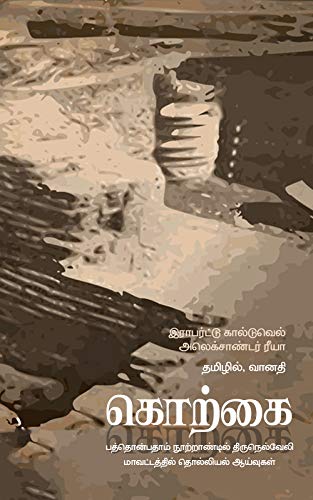
இப்போது நான் பகிரும் இந்த முதுமக்கள் தாழிகள் பற்றிய விவரங்களின் மூலம் இந்த Antiquary பத்திரிகையின் வாசகர்கள் யாரேனும் இவை உலகின் வேறு பாகங்களிலும் கிடைக்கின்றனவா என்ற என்னுடைய கேள்விக்கு விடையளிக்க உதவுவார்கள் என்று நம்புகிறேன்.
நான் குறிப்பிடும் தாழிகள், உடையும் நிலையில் இருக்கும், மனித எலும்புகளைக் கொண்டிருக்கும் பெரும் மண் பாண்டங்கள். இவை பல அளவுகளில் கிடைக்கின்றன. அவற்றுள் இருக்கும் மனிதரின் அளவைப் பொறுத்து வேறுபடுகின்றன. நான் கண்டறிந்தவற்றில் பெரியது பதினோரு அடி விட்டத்துடனும், சிறிய தாழி நான்கிலிருந்து ஐந்து அடி விட்டத்துடனும் இருந்தது. இந்தத் தாழிகள் ஒன்று போல் இருப்பதில்லை. ஒவ்வொன்றும் சிறு சிறு மாறுதல்களுடன் இருக்கிறது. ஆனால் பொதுவாக இவை இந்தப் பக்கங்களில் நிலங்களுக்குத் தண்ணீர் எடுக்கப் பயன்படும் கூனை என்னும் பெரிய மண் பாண்டங்கள் போல் இருக்கின்றன. இவற்றிற்குக் கைப்பிடியோ, அடிப்பகுதியோ, விளிம்போ அல்லது மூடியோ இருப்பதில்லை. இவை நடுவில் அகலமாக விரிந்து, அடிப்பாகம் ஒரு புள்ளியாக முடிந்துவிடுகிறது. இவற்றைப் புதைப்பதன் மூலமே இவை நிற்க வைக்கப் படுகின்றன. இந்தத் தாழிகள் இவற்றைச் செய்த மக்களின் கைவினைத் திறனைக் காட்டுகிறது. இவை நல்ல களிமண்ணாலும், நன்றாகச் சுடப்பட்டு, இப்போது இந்தப் பகுதியில் செய்யப்படும் எந்தப் பாத்திரங்களையும் விட நன்கு வலிமையாக இருக்கின்றன. ஒரு மனிதனின் உடலை மடங்கிய நிலையில் இவை எளிதாகக் கொண்டு விடும். ஆனால் இவற்றின் வாய் குறுகலாக ஒரு தலை மட்டுமே நுழையும் அளவில் இருக்கிறது. எனவே, இவற்றின் உள்ளே உடல்கள் வெட்டியோ அல்லது அவை மக்கிப்போன பின் அவற்றின் எலும்புகள் உள்ளே போடப்பட்டிருக்க வேண்டும் என்று தோன்றுகிறது.
இந்த எலும்புகள் பெரும்பாலும் மக்கி போய் விட்டதால் இந்த அனுமானங்களை நம்மால் நிரூபிக்க முடியாது. எலும்புகள் சிறு துண்டுகளாக மட்டுமே கிடைக்கின்றன. பெரும்பாலும் மணல் இவற்றை நிரப்பியுள்ளது. கொற்கையில் கிடைத்த பெரிய தாழியில் எலும்புகள் கெட்டித்துக் கல் போல் ஆகிவிட்டதைப் பார்த்தேன். அந்தத் தாழியின் உள்ளே ஒரு முழு உடலையும் வைக்க முடியும் என்றாலும், இந்த எலும்புகள் எல்லாம் பிரிந்து கிடந்ததனால் அறுதியாகக் கூற இயலவில்லை. குற்றாலம் அருகே இலஞ்சியில் கிடைத்த தாழியில் ஒரு முழுமையான எலும்புக்கூடு கிடைத்தது. மண்டையோடும், அதன் கீழே மார்பெலும்புகளும், அதன் இரு புறமும் இரண்டு முழங்கால் எலும்புகளும் இருந்தன. எனவே இங்கு உடலை இரண்டாய் மடித்துத் தலை முதலாக இந்தத் தாழியின் உள்ளே செலுத்தி இருக்க வேண்டும் என்று தெரிகிறது. ஆனால் தோள் பகுதி எப்படி உள்ளே சென்றிருக்க முடியும் என்று ஊகிக்க முடியவில்லை. இந்த எலும்புகள் காவிக்கல் போன்று இருந்தது. இவற்றை வெளியில் எடுக்கும் போதே சிறு துகள்களாக உதிர்ந்து விட்டது. ஒரு பல்லும், சிறு மண்டையோட்டு பகுதியும் தவிர எதையும் எடுக்கமுடியவில்லை. அவற்றின் மூலம் இது ஒரு முழுதும் வளர்ந்த மனிதனின் எலும்புக்கூடு என்று அறிந்தோம். அப்போது திருவிதாங்கூர் அறுவை சிகிச்சை மருத்துவர் பிரை எங்களுடன் இருந்தார். அவர் இந்தப் பற்களின் தேய்மானத்தைக் கண்டு, அவை தானியங்களை உண்பதால் வரும் தேய்மானம் என்று கூறினார். முன் பற்களில் இருந்த தேய்மானங்கள், பயரினங்களை உண்பதால் ஏற்படுபவை என்றும் கூறினார். பின்னர், இங்கு வசிக்கும் மக்களின் பற்களைச் சோதித்து அவை இது போன்ற தேய்மானங்களுடன் இருப்பதைக் கண்டேன். அவர்களும் இது போன்ற உணவு பழக்கம் உடையவர்கள் என்று கூறினார்கள். இந்தத் தாழிகளில் உள்ள எலும்புகள் சுண்ணாம்பு நீராகுவதைப் போன்று எதுவும் நான் பார்க்கவில்லை.
இந்த எலும்புகளுடன், சில இடங்களில், சிறு மண் பாத்திரங்களும் இந்த தாழிகள் உள்ளே இருப்பதைக் கண்டேன். சில இடங்களில் தாழிக்கு வெளியிலும், சில இடங்களில் உள்ளேயும் இருந்தன. இவை பல அளவுகளில், பெரும் நேர்த்தியுடன் செய்யப்பட்டு, வெகுவாக மெருகேற்றப்பட்டு இருந்தன. முதலில் நான் இவை பளபளப்பு கூட்டப்பட்டு இருப்பதாக நினைத்தேன். சென்னைக் கலைக் கல்லூரியைச் சேர்ந்த முனைவர் ஹண்டர் இது மெருகேற்றப்பட்டது என்று உறுதி செய்தார். எதுவாக இருந்தாலும், இவை போன்ற வேலையை இன்று இந்தப் பகுதியில் காண முடிவதில்லை. சில இடங்களில் கருப்பு வண்ணம் பூசப்பட்டு இருக்கின்றன. இந்த கருப்பு பாத்திரங்கள் மக்கி போய் கிடைத்ததால், சில நேரங்களில் இவை சுண்ணாம்பாக்கப்பட்ட எலும்புகளாக கருதப்படுவதுண்டு.

இந்தச் சிறு பாத்திரங்களின் ஐந்து படங்கள் இங்கே கொடுக்கப்பட்டுள்ளது. இவற்றை இந்தப் பக்கத்து மக்களிடம் காட்டிய போது, நான்காம் எண் உள்ளது எண்ணெய் வைத்திருக்கும் பாத்திரம் என்றும், ஐந்தாம் எண் உள்ளது ஒரு துப்புத்தொட்டி(படிக்கம்) என்றும் கூறினர். யாருக்கும் மூடியுடன் இருக்கும் இரண்டாம் எண் பாத்திரம் என்னவென்று தெரியவில்லை. இப்போது இந்தப் பாத்திரங்கள் எல்லாம் மணிவெண்கலத்தில் செய்யப்படுகின்றன. மண் பாண்டங்களாகச் செய்வதில்லை. இவற்றை இந்தத் தாழிகளுடன் வைப்பது, மறு உலகத்தில் இந்தத் தாழியில் இருப்பவரின் ஆவி, இந்தப் பாத்திரங்களின் ஆவிகளை வைத்து சாப்பிடவும், குடிக்கவும் உபயோகப்படுத்த இருக்கலாம்! தேங்காய் அளவில் சிறு கற்கள் இந்தத் தாழிகள் இருக்கும் இடங்களில் குவியலாக வைக்கப்பட்டிருக்கின்றன. தாழியின் வாயைச் சுற்றி வட்டமாகவும் அடுக்கப் பட்டிருந்தது. இவற்றை வைத்தே அங்குத் தாழி இருக்கிறதா என்று தெரிந்து கொள்ள முடிகிறது.
இந்தப் பகுதி மக்களுக்கு இந்தத் தாழிகளை உபயோக படுத்திய மக்கள் யார் என்றோ, அவர்கள் எப்போது இருந்தார்கள் என்றோ தெரியவில்லை. அவர்கள் சமணர்களாக (ஜைனர்கள் அல்லது புத்த மதத்தினர்) இருக்க முடியாது. சமணர்களைப் பற்றி இங்குப் பல மரபுகள் இருக்கின்றன. அவற்றில் எதுவும் தாழிகள் உடன் சம்பந்தமாக இல்லை. இவற்றைப் பற்றி இந்த மக்கள் ஒரு கதை சொல்கின்றனர். அது அவர்களின் அறியாமையைக் காட்டுவதாக மட்டுமே இருக்கிறது. அந்தக் கதை இதுதான். திரேதா யுகத்தில், அதாவது லட்சம் வருடங்களுக்கு முன் வாழ்ந்த மக்கள் இறப்பு என்பதை அறியாதவர்கள். அவர்கள் வயது ஆக ஆகச் சிறியதாகிக் கொண்டே போவார்கள். காலப்போக்கில் அவர்கள் மிகவும் சிறியதாகி விடுவதால், வீட்டின் விளக்கு மாடத்தில் அவர்களை வைத்து விடுவார்களாம். அவர்களைப் பார்த்துக் கொள்வது பெரும் வேலையாக இருந்ததால், இளம் வயதினர், அவர்களை ஒரு பானையில் வைத்து, பாத்திரங்களில் அரிசி, நீர் , எண்ணெய் போன்றவற்றையும் வைத்து, ஊருக்கு வெளியே புதைத்து விடுவார்களாம்.
இந்தத் தாழிகளின் பெயரை வைத்தும் இவற்றைச் செய்தவர்களை அறிய முடிவதில்லை.இவற்றின் பெயர் மூன்று விதமாகச் சொல்லப்படுகிறது. தமிழ் அகராதியில், இவை 'மடமடக்கத் தாழி' எனப்படுகிறது. மக்களிடையே இது 'மடமடக்கன் தாழி' என்று சொல்லப்படுகிறது. இதற்கு அவர்கள் தரும் அர்த்தம் சரியானதாக எனக்குத் தெரியவில்லை. இந்தத் தாழிகளில் புதைக்கப்படும் சிறிய மனிதர்கள் சில சமயம், பானை பொங்குவது போன்று பொங்கி வெளியே வந்துவிடுவார்களாம். இதைவிட மக்களிடையே சொல்லப்படும் இன்னொரு வார்த்தை கொஞ்சம் அர்த்தம் உடையதாக உள்ளது. 'மடமட்டான் தாழி' என்பதாகும் அது. சமசுகிருதத்தில் 'மடன்மட்ட' எனில் 'பைத்தியம்' என்று பொருள். தமிழில் சில இடங்களின் இது 'மிகப்பெரிய' என்ற அர்த்தத்தில் உபயோகிக்கப்படுகிறது. பஞ்சதந்திர கதைகளில் பெரும் காடுகளைச் சொல்ல இது பயன்படுகிறது. இந்தத் தாழிகளின் பெரிய அளவினால் இது மக்களினால் இவ்வாறு அழைக்கப்பட்டிருக்கலாம். பண்டிதர்களை விட மக்கள் சரியான வார்த்தை பிரயோகம் செய்கின்றனர்.
இப்படி இறந்தவர்களைத் தாழியில் புதைத்த இந்த மக்கள் யார் என்பது இன்னமும் புதிராகவே இருக்கிறது. இந்தத் தாழிகளும், அவற்றின் உள்ளே உள்ளவைகளும் மட்டுமே இப்போதைக்கு நமக்கிருக்கும் சான்றுகள். இதில் இருந்து, இவற்றில் புதைக்கப்பட்டவர்கள் குள்ள மனிதர்கள் இல்லை என்பது தெளிவு. இதற்குள் எப்படி உடல்களை வைத்தார்கள் என்பது தெரியவில்லை ஆனால் அந்த எலும்புகள் சாதாரண மனிதருடையவை என்பதில் ஐயமில்லை. அந்த மண்டையோடும், பற்களின் தேய்மானமும் இவர்கள் இப்போது இங்கிருக்கும் மக்களைப் போன்றவர்கள் என்று தெரிகிறது. பெர்லினில் முனைவர் ஜாகர் திறந்த ஒரு தாழியில் ஒரு சிறுதானியக் கதிர் இருந்ததாம். அவற்றில் மணிகள் இல்லை ஆனால் அந்தக் கதிர் இருந்தது. இந்தத் தாழிகள் வரிசையாக அடுக்கப்பட்டுப் புதைக்கப்பட்டிருப்பதில் இருந்து இது ஒரு இடுகாடாக இருக்கலாம். இதன் அருகில் இந்த மக்கள் கிராமங்களில் வாழ்ந்திருக்கலாம். இவர்கள் நாகரீகமானவர்கள் என்பது இந்தப் பானைகளின் உயரிய தரத்தில் இருந்தும், சில தாழிகளில் கிடைத்த இரும்பு சாதனங்கள் அல்லது ஆயுதங்கள் வைத்தும் தெரிந்து கொள்ளலாம். முடிவாக, இப்போது இங்கு வாழ்ந்து வரும் மக்களின் மூதாதையராக இருக்கலாம். இது உண்மையாக இருந்தாலும், இந்த மக்களின் எந்த ஒரு மரபும், தொழிலும் வேறு திறன்களும் மற்றும் இந்தத் தாழி முறையும் இன்று இல்லை. இதன்றி, அவர்கள் வேறு ஒரு இனத்தவர் என்று முடிவெடுத்தால், அவர்கள் யார், எங்கிருந்து வந்தார்கள், எப்படி மறைந்தார்கள் என்ற எந்தக் கேள்விக்கும் பதில் இல்லை.
இந்தத் தாழிகளை நான் மதுரை மற்றும் திருநெல்வேலி மாவட்டங்களிலும், வடக்கு, தெற்கு திருவிதாங்கூரிலும் - தெற்கு தொடர்ச்சி மலைகளின் இருபுறங்களிலும் பார்த்திருக்கிறேன். உங்கள் பத்திரிகைக்கு அனுப்பியதன் நோக்கம், இது போல் இந்தியாவின் மற்ற மாகாணங்களில் காணப்படுகிறதா என்பதைத் தெரிந்துக் கொள்ளவே. இவை கிடைக்கும் இடங்கள் அனைத்தும் அறியப்பட்டால், இந்த மனிதர்களின் வரலாற்றை ஒரு வேளை நம்மால் கண்டறிய முடியும்.
இடையன்குடி , திருநெல்வேலி மாவட்டம் 1877
White Whale
“As for me, I am tormented with an everlasting itch for things remote. I love to sail forbidden seas, and land on barbarous coasts.”
So it is with White Whales. The everlasting itch for that unattainable goal. Guess everyone has one. And I have many. Why do we have white whales? Professionally it kills one to chase for eternity something that is at arms length yet so far away.
I read 'Moby Dick' in intervals. It is not an easy book to read. Sometimes it bores you to death. Sometimes, the pages fly. It may have taken a few months but I finished it somehow years back. The American classic stunned me in more ways than one.
It is such a dark novel and the protagonist, Ahab, such a miserable guy, it goes against everything I have always wanted to read. But the book somehow rubs your soul in such a way that you hang on to it till the end. I am more of a Dumas, Scott kind of guy. I love adventures. But at times, it makes me feel good to torment myself with Kafka, Sartre etc and it is kind of a masochistic pleasure to read.
 |
| Artist - Elicia Edijanto. |
I gave up on such readings. It is not worth the effort to become what Ahab calls 'the November soul' - damp, cold and wet. I would rather pick a Wodehouse or a Fry.
However, the books you've read always have an impact on the way you look at things. So it is with the White whale. Ever since I've read 'Moby Dick' it has become my favorite allegory for all that I am aspiring for and that keeps me going. The list is long. So, should I say my favorite pod of White whales?
Is it ok to have more than one? The life changing ambition that you strive with all that you've and fail and then get up and strive a little more? What if you have multiple ambitions which you want to keep failing and the getting up just becomes harder and harder? I have always had many things I wanted to do. Some I am still running after, some have fallen behind, some went past me and I went past some more. The list changes, when a white whale is harpooned, it somehow becomes an ordinary whale and the target moves to another one. Why?
Ahab also says at somepoint that 'wisdom is woe' and that is madness. Wisdom is woe, indeed. The ability to connect one's ambitious struggle with a metaphorical allegory is woe, indeed. And then write gushingly about the same is madness.
I no longer remember why I started writing this. The constant thirst to run behind a white whale which changes color once you caught it has been the story of life so far and will be as well.
Subscribe to:
Posts (Atom)
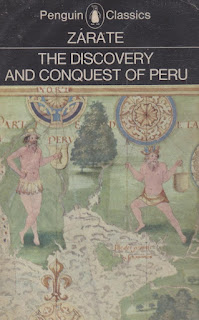
The Discovery and Conquest of Peru - Zarate.
பழைய புத்தக விற்பனையின் போது இந்தப்புத்தகத்தை வாங்கினேன். 1528ம் வருடம் ஸ்பானிய வீரர்கள், இன்றைய பனாமாவின் பசிபிக் கடற்கரைகளில் இருந்து தெற...
-
முள்ளால் எழுதிய ஓலை by உ.வே.சாமிநாதையர் My rating: 5 of 5 stars தமிழ் தாத்தா உ.வே.சா அவர்களின் 'என் சரித்திரம்' எ...
-
எம்.ஆர். ராதாவின் சிறைச்சாலை நினைவுகள் படித்தேன். விந்தன் தினமணி கதிரில் எழுதியது. விந்தனின் கதைகள் படித்திருக்கிறேன். முழுக்கவும் உரையா...
-
I consider Vanathy as one of the most complex and intriguing character ever created in the Tamil novel world (OK, I still consider Yamini of...

