Nostalgic 8 - The Prisoner of Zenda

Some days back, I was discussing what Sibi has been reading and he mentioned a few books. I asked him about 'The Prisoner of Zenda' which we bought sometime back. He said he will check it out. So I asked him yesterday what happened to the Zenda. He said he finished it off in one night as it was riveting and adventurous. Then we discussed and he insisted on telling me the entire story again and it went on.

The entire episode made me think of the time I read 'The Prisoner of Zenda'. It was back when I was in school and slightly older than Sibi. I was in eighth standard and was in Sivakasi for the holidays. My maternal grandfather pretty much buys every magazine that comes to the store everyday and so in the first floor hall of our Sivakasi house, there are sackful of magazines bought in the previous 3-4 months lying around (we go to Sivakasi during the quarterly/half-yearly and annual holidays and also in-between).

So it was my habit whenever we reach Sivakasi, to run to the first floor and start running through the sacks for the books I haven't read yet. There is a small cup-board as well in that hall, which contained many of my uncle's possessions and so I was not that interested in running through it.

It was during one of those breaks in Eighth standard, I ended up looking into the cup-board. Apart from the usual stuff in the lower shelves, I came across a set of books which my mom bought for her college degree.

My mom did her 10th in the Sivakasi Victoria Girls HSS and came first in school in Geography in the final exams. She was given a 'இதயம் பேசுகிறது' Manian's travelogue on his trip to America as the present for the achievement. She enrolled in P.U.C (it was before the +1/+2 days) in the Sivakasi SFR college for women. When she finished P.U.C and was about to join in the same college for B.A(English), she got married.

It was the books she has got during her enrollment for B.A (English) is what I found in that cupboard. There are abridged versions of 'The Mill on the floss', 'Lorna Doone', 'Black Beauty' and of course, 'The Prisoner of Zenda'.

I never heard of any of those books before and pretty much was not really interested in reading any. I found the books and flipped through them to find no pictures to interest me into reading it and the font sizes are too small and even the abridged versions looked too big for me to read.

Then came Uncle Pai  SV Pai to help me into it. There use to be a fantastic Tamil comic book publishing happening during that time and being in Sivakasi meant you get to read anything that gets published pretty much on the same day. One of the books that gave a bunch of characters that still live in memory is 'பூந்தளிர்'. It was a fun book to read and introduced lot of characters and I used to buy it whenever I was in Sivakasi.

It was in 1988-89 when as an extension of 'பூந்தளிர்' , Uncle Pai SV Pai came up with the brilliant idea of the 'பைக்கோ கிளாசிக்ஸ்'. The series was a comic book introduction of world classics in Tamil. Probably, I never would've read half the books at that time, if it weren't for that series. It introduced the books, gave hint on the other books written by the author and in a beautiful comic book provided the whole novels as interesting as they can be.

It was in April, 1989, Paico Classics published 'The Prisoner of Zenda' in Tamil. It was a dashing story with lots of reminders to the multitude of MGR movies I've watched, with a number of twists and turns and a tragic love story in between. In short, it had everything that will make one a die-hard romantic (for which I am still taking flak all around!).


The Tragic separation
That book made me pick up my mom's 'Prisoner of Zenda' in its abridged form and read it. Though my English knowledge was not up to the mark, it just made me strive harder to read it as I now know the general direction of the story and more importantly, put me on the road in search for more adventurous, tragic and romantic English classics.

Thank You, Uncle Pai   SV Pai for that!!

தூத்துக்குடி

'கொற்கை'யும் 'ஆழி சூழ் உலகு'ம் படித்ததில் இருந்தே இந்த கதைகளில் வரும் சில இடங்களை சென்று பார்க்க வேண்டும் என்று நினைத்து கொண்டிருந்தேன். தூத்துக்குடிக்கு ஒரு நாள் செல்ல வேண்டியது என்று ஆனவுடனேயே கிடைத்த 3-4 மணி நேரத்தில் செல்ல வேண்டிய 2 இடங்களை முடிவு செய்து பார்த்து விட்டு வந்தோம்.
 
 பனிமய மாதா கோயில் ஒரு 400 வருட பழமையானது. போர்த்துகீசியர்களால் இங்கிருக்கும் பரதவர்களுக்காக கொண்டு வரப்பட்ட மாதா இந்த பகுதியில் அதுவரை தனியாக அருள் பாலித்து கொண்டிருந்த சந்தன மாரியம்மனுக்கு மாற்றாக ஒரு தாய் கடவுளாய் காட்ட பட்டார்.
 
 கோவாவில் இருக்கும் பசிலிக்கா(Basilica)களை நினைவில் கொண்டு பார்த்தால் சிறியதாக இருக்கும் இந்த கோயில் முற்றிலும் வேறுபட்ட முறையில் கட்டப்பட்டுள்ளது. ஒரு படகை நினைவுறுத்தும் இந்த கோயிலின் உள் பகுதியும் படகை போன்றே உள்ளது. பரதவர்களின் ஆதார தொழிலான கடலோடும் தொழிலின் காரணமாக இருக்கலாம்.

பல அற்புதங்கள் நிகழ்த்தியதாய் சொல்லப்படும் பனிமய மாத கோயில் இப்போது அடுத்து வரும் ஆகஸ்ட் மாத திருவிழாவிற்காக வேலை நடந்து கொண்டிருக்கிறது.
அடுத்து சென்றது ஊரின் வட பகுதியில் இருக்கும் சந்தன மாரியம்மன் கோவிலுக்கு. ஊருக்கு நடுவே இருந்தாலும் கொஞ்சமும் கூட்டமின்றி பழமையின் எந்த அடையாளமும் இல்லாமல் அமைதியாக இருக்கிறது கோயில். ஒரு காலத்தில் ஊரின் முக்கிய கோயிலாக இருந்ததிற்க்கான எந்த
அடையாளமும் இன்றி இருக்கிறது.


தூத்துக்குடியின் புதிய கடற்கரையில் சற்று நேரம் இருந்துவிட்டு ஊர் திரும்பினோம்.

Vanathy..

Today while leaving for office, Vanathy suddenly ran inside and asked me to wait. She came back with her perfume and put it on me generously. I was saying 'No paapu, appa don't like to wear perfumes'. She answered 'Daddy, your girlfriends in office will like it'

 Now I am not even sure how she got an idea that I will be having girlfriends in office.

-----

Yesterday I was playing a PC game called 'Viking Saga' and Vanathy was watching it. Suddenly she asked "so Daddy, this is happening in Mars?". I did not get it and asked her why she asking that. She said because the Vikings are in Mars. I asked her where she got that idea.

She took me to her room and took out a book on Amazing facts about things. It was a big book for kids with lots of facts on a multitude of things.

There is a page on the planet Mars and there is a fact listed that 'The Vikings landed on Mars'. She showed me that and said this is why she says the Vikings are in Mars. I sat with her and explained that these 'Vikings' are space probes and not human beings that are in Mars.

----
Sibi has been reading a bunch of classics (abridged) and has picked up a Wodehouse as well. Told him that the language will be above his level and he is OK with it. Sometimes it is heartening to watch him go through so many books.

We watched 'Troy' last weekend and by chance he read 'Illiad' this week and was surprised that the movie deviated so much from the story. It was interesting always to let him tell a story to his sister in the nights before going to sleep. A few days back it was fun as we ended up discussing 'Illiad' instead of sleeping.

Sibi told a story which is a mix of 'Illiad' and the movie 'Troy' for his sister and after listening patiently Vanathy dismissed it as a boring story. So I started telling them the story of Heinrich Schliemann and his quest to find the Troy of Homer's 'Illiad'. It went very well with the kids started asking questions about excavations, the mask of Agamemnon and somehow drifted off to what they want to become when they grew up.
So most of the nights instead of putting the kids to sleep, the stories just make them more awake and excited.

---

Vanathy's current interest is planets, Sun and black holes. Sibi taught her about black holes and we learn together about the planets. So now every night we've been talking about planets, how they came into being, who discovered them, are there aliens out there, how we did the moon landing and the kind of question she has come up is incredible.


For example, while discussing the moon landing, she asked what happens if the rocket outside flew away without picking up the moon landers, what control is there for it? or How do we make sure people don't get bounced away while in moon? . If Neil Armstrong has already planted a flag in moon, will she have space in moon to plant hers?
 And yesterday was the story of Newton and the apple. To explain the invisible force of Gravity and make her understood, we have to discuss so many scenarios and how the Earth's force makes us don't fall off at the 'edges' etc. In fact, we were discussing so much we forget that she has to sleep.

In a way, I am happy that it stokes her enthusiasm about science and she has been reading some of the mini-encyclopedia's about the planets and calls me Jupiter and her mom is Saturn and she is Pluto (though she understands that Pluto is not a planet, she is not very happy about it!).
---

Another interesting habit she has picked up is writing a diary. Though she calls it 'story writing' she writes everyday about what she does on a daily basis in it. Sometimes, she dictates so that I can write about it. Will try to publish some excerpts from that after getting her permission.

The Body of God - An interpretation of the panels of the Thiruparameshwara Vinnagaram - 1

After the visit to Kanchipuram and the Vaikunta Perumal temple, known in days of its glory as the 'Thirparameshwara Vinnagaram', came to know about a scholar who has done extensive analysis on this temple and its panels. So was trying to see whether to get the smaller guide book published by him named 'The Vaikunta Perumal temple' or the larger more extensive analysis of the temple and its history in the 'The Body of God - An Emperor's palace for Krishna in the Eighth century'.

The scholar, Dr.D.Dennis Hudson, was a religious scholar who focused on the study of the Bhagavatha tradition in Hindu theology. This temple has been his focus as having been built in the Bhagavatha tradition and hence he has done numerous papers on it. The body of God embodies all his research in the temple and gives a complete interpretation of the panels and the temple structure.

It is just a coincidence that I happened to get hold of a copy of this incredible book and at about 700 pages, it is going to take quite a bit of time to complete. I have read through only about 100 pages so far, but could not stop the excitement to share at least some of the details.

The book is divided into three parts, the panels on the outer prahara, the sanctum and the panels on the vimana. The history of the temple and the king who built it forms the introduction along with a discussion of the 10 poems of ThirumangaiAlwar's on this temple (Periya Thirumozhi - Pages 37-39 in the link given) . All these are neatly connected and the author weaves a very neat story inter-woven with all these above aspects. 

One of the things that was confusing after the visit to this temple (for me) is the interpretation of the panels. I went there with the knowledge that the prakara walls shows the coronation of Pallava kings. But there is no authoritative source to confirm the same. The photos I took shows the panels but the story was not forthcoming. The books solves this problem easily.

According to the author, the temple was built with the Bhagavatha tradition in mind. The entire temple represents this tradition elaborately. Whats more, the pasurams of  Thirumangai are written with this understanding and the chapter where he dissects the 10 pasurams line-by-line to map it with the physical temple is just mind blowing. As I read-along, I will try to post some of the pictures I took in the temple with explanation from the book.

Panel 10 - The unction of Nandivarma Pallavamalla  
The book is very clear that the panels in the outer prahara walls represent the official history of the King Nandivarma Pallavamalla, his ascension to the throne, his exile, his regaining the throne, his unction or the coronation as the emperor and his building the temple. The first 10 panels tell the story of how it came to be that after a line of Saiva Siddhantha kings, this Bhagavatha king ascended the throne as a boy. 

What is fascinating, to me, though is that we never had the official history of any Tamil king written or depicted during the King's lifetime come down to us. (This may be because of my limited knowledge but as far as I know, I cannot think of any such book/sculpture/paintings available now). So it is a unique temple in that it depicts the story of this King right from his ascension till the time the temple was consecrated.

Dennis also mentions that there are thirteen inscriptions available in the panels describing what they are and about 10 have been read and recorded. Thus, the King makes sure that there is no mis-interpretation of the panels. Though I don't remember seeing any inscriptions in the south walls. That may be due to my untrained eyes.

Coming back to the panel above, it depicts the unction or abhiseka of Nandivarma Pallavamalla. The panel is horizontally divided into 2 sections, with the upper portion showing 7 figures with four on the west and three on the east. They are identified as the agamika Brahmins divided between the Pancharatra and Shaiva Agamas.

The bottom portion is divided vertically into two halves with the western side has the figure of Nandivarma Pallavamalla, going through the unction ceremony. The two smaller figures near him has the unction fluids for the bath which will anoint him with the name Nandivarma and make him the emperor of the Pallava realms. 

The eastern part depicts the 'assembly' of the court, the ministers and the dependent rulers. The ritual objects are present as well. And the dress of Pallavamalla is described in detail in the book along with the elephant-headed crown he has and the significance of the same. 

The above panel depicts Nandivarma Pallavamalla seated as the Bhagavatha emperor with his Queen on his right with the royal umbrella emerging from his back. The man who sits a level below the queen with a large sword in hand is Udaychandra, the King's general, who killed the other claimant to the throne and thus ensured that Nandivarma's throne is not contested. There is the part of Nandivarma's acharya to the left of this which is not found in the pictures I took. 
To the left of the acharya is the model of the Vimana of the temple which probably was designed with the approval and guidance of the acharya himself. Dennis identifies the acharya as Jyesthapada Somayajin, to whom Nandivarma made a grant some time before the temple was built.

This is just the first 100 pages. I will try to update as and when I continue reading through the book. But the amount of details and work that has gone through to bring about a book with these much details just underlines the hard work Dr.D.Dennis Hudson must've gone through.

Disclaimer: I am just an amateur person, who is more fascinated to know that these panels are telling the story of a king who ruled 1500 years ago and am no expert in sculptures or the religious dogmas. These are purely my opinions and wherever mentioned, the opinion of the book this post refers to.

Walking with the dead - Dhanushkodi - 2

Dhanushkodi is located at the land's end of the Pamban island snuggled on both sides by sea and served by a train station and port. The Ferry service connected the city with Talaimannar in Srilanka.
The train service from Chennai to Colombo via Dhanushkodi was very famous and is a very important trade route for the businesspeople of the southern districts of Tamil Nadu. It also connected the island of Pamban with mainland India and so was a important source of connectivity for the people of Pamban.

The next stop through the swampy land was the old city of Dhanushkodi. the first building that comes into view is a tall, boulder-built building which is still standing with rusting steel girders. This is the erstwhile Dhanushkodi railway station. The water tower for the trains was missing as it was washed away. The traces of the railway tracks can be seen, though the tracks are missing.

As always, there is a hut here with a Ram idol as Ram was supposed to have marked this place as the starting point for his setu across the Palk strait. The marking was done with His bow and hence the name 'Dhanush-Kodi'. There is also a 'floating stone' available for those who are interested.

"ரயில் அசைந்தது. மெதுவாக ஊர்ந்து சென்றது. இப்போது கடமுடவென சத்தம். ரெயின் தனுஷ்கோடி pier மேல் ஊர்ந்து கொண்டிருந்தது... பாதி ரயில் தனுஷ்கோடி பியரிலும் பாதி ரயில் வெளியே பின்னாலும் இருந்தது..சுயம்பு இருந்த பெட்டி பியரில் கடலின் மேல் நின்றுகொண்டிருந்தது."*

The walk through the ruins in the hot tropical sun that day was not much enjoyable. There were floors and foundations with a heap of bricks over them reminding of the house that would've been there with probably a family of traders or fishermen. Now nothing remains of that.

Today the sands of Dhanushkodi are the most common thing to be seen. Sand is claiming everything that is in the way and has filled the ruins everywhere. It is a fascinating sight to be seen. With the sea breeze, the sand flies over the surface and sticks to the feet, hands, face and everywhere. 

"நின்றுவிட்ட ரயில் முன்னேறுவதற்க்கான அறிகுறியே இல்லை. தூரத்தில் பளீர் பளீர் என்று மின்னல் கடலில் இறங்கியது போல் இருந்தது. இடி முழக்கம். 'சோ'வென பெருமழை வேறு பிடித்து கொண்டது....வானமே இடிந்து பக்கத்தில் விழுந்தது போல் இடிச்சத்தம் கேட்டது. பெட்டிக்குள் அனைவரும் நடுங்கி கொண்டிருந்தார்கள்"*

The only thing that reminds of the past in Danushkodi is the commemoration stone laid in 1933 to celebrate the silver jubilee of the King's coronation. It was laid by the panchayat board president of Dhanushkodi. It stands witness to the good times the city passed through and the ruins that remains of the city today.

While walking among the ruins, it is impossible not to get a eerie feeling of the life that the city had all around. The school wall stands giving a sense of the children who must've been around that fatal night, the fireplace in the traveller's bungalow stands testimony to the prosperity of the city and its place as an important transit point. 

"ஜன்னலை பயந்து பயந்து திறந்து திரும்பவும் எட்டிப் பார்த்தார் சுயம்பு. முன்னால் என்ஜின் இருந்த பகுதியே தெரியவில்லை.முன்னே எங்கும் வெள்ளக்காடாய் நுரைத்து கிடந்தது. ..திடீரென்று மோதிய ஒரு அலையில் ரயில் பெட்டி வேகமாய் முன்னே நகர்ந்து பாய்ந்து படாரென்று கீழே இறங்கியது...பெட்டி பியரில் இருந்து தொங்கி கொண்டிருக்க வேண்டும்.அடுத்து மோதிய அலையில் பியரோடு சேர்ந்து சரிந்தது..தொப்பென்று விழுவது போன்ற உணர்வு"*
 
 Within 50 meters from the shore, there are small wells dug by the current dwellers of Dhanushkodi for water. And you can see clear water within 10 feet depth. This is the only source of water for all those who stay here. 
 
The ruins of Dhanushkodi evoke a feeling of sadness without fail. I've visited some of the abandoned mining towns and ruined pueblos in South-west US and they don't evoke that feeling of standing in the midst of a burial ground where so many people died and with the sand flying around, the feeling is of the dead watching over the shoulders. The heart-tugging nature of the ruins makes it difficult to leave from this very sad and desolate place.


When the waters on both sides of the sea met in Dhanushkodi that fateful night, the entire population of the city was drowned in sea. It is estimated that the waves rose upto 10-15 meters that night engulfing the city from both sides without giving the people of the city a place to escape to. The train with six coaches and an engine was washed away by the waves into the sea along with the pier. An estimated 200-250 people died in the train. The death toll that night was never finalized but was estimated to be about 1500-2000. Only 2 persons survived that disaster that night. In the aftermath, the government announced Dhanushkodi to be unfit place for the city and move the rail head to Rameswaram.

While coming back, J was asking about other cities that are in ruins now. I was telling her about Hampi, Pompeii, Herculaneum, Persepolis etc. Vanathy suddenly said "Daddy, I don't want to go to any place like this". When asked why she don't want to go, she replied "Because it makes me sad"

Complete set of pictures here --> https://plus.google.com/photos/104749384557340720796/albums/5882729566856779809

* The Tamil portion is from the novel 'ஆழி சூழ் உலகு' - ஜோ டி குருஸ். You can buy it here.

Walking with the dead - Dhanushkodi - 1

It was the night of December 22, 1964. The passenger from Pamban was nearing the destination, Danushkodi. For some of the 200 people in readying to get out at Danushkodi, it was their stopping point for travelling further to Talaimannar and catch the mail there to reach Colombo. For some, their family was waiting at home in that rainy, stormy night and they just wanted to reach and feel the safety of their home.
 At the end of the lonely road from Rameshwaram, towards the sea, lies a desolate land. Covered in sand and sea water, the only sign of life beyond this point is the tracks of jeeps and vans you can see from here on these seemingly lonely but mystical land. The road from Rameshwaram goes through an area of narrowing land wherein you can see the Sea on both sides and there is no buildings of any sort for the 12-14KM stretch.
  The only person available during this ride is the Kothanda Ramar who sits watch over the sea somewhere in between. If you pass Him, the next stop is the Danushkodi check point, where the well laid stretch ends. There is a Navy observation post that lingers over the sea at this point.   


The train was chugging along the coast in the course of the night and was only a few meters away from the destination. It was pitch black outside with rain falling down ferociously. The train driver could not see the signal. He decided to move forward after giving a long whistle. Like everyone else, he was ready to get to the destination and was tired of having to drive the train through such weather. 

The first thing that strikes once the Danushkodi checkpoint is out of sight, is the absolutely desolate landscape.  There were a few birds flying around, sea water has entered the land and the land was a little like a swamp. The beautiful white sand beach can be seen the edges of the island. At some point, it feels like a very lonely ride through a very punishing landscape.

There was a lady who boarded the van at the checkpoint wanting to go to Danushkodi. So we started asking whether she is a resident there. She mentioned that today about 200 families live in Danushkodi. No power, no water or no trace of any government assistance exists. They are fisher-folk and from basic needs like food to medical assistance, they have to come to Rameswaram. That includes 2-3 KMs of ride through that swampy land. If it is night, the only option is to walk. She got down at some point in the swamp and started walking towards the huts on one side of the shore.
 The cyclone that was formed on the Andaman coast on December 19, 1964 was a super-cyclonic system which rarely forms so near to the Equator. It gained strength and moved in a straight line towards the northern tip of Sri Lanka. It touched ground on Dec 21-22 on the Srilankan coast triggering heavy rainfall with strong winds in Pamban and Danushkodi. It crossed the northern part of Srilanka and headed right in the direction of Danushkodi on the 22nd night, when the train driver decided to move along towards Danushkodi, irrespective of the signal. 

 The van did not stop after that till it reached a point where the two seas can be seen close to each other. It was only about 100 meters between the two seas but what a difference. The one on the north was just like a large pond, hardly any waves, very calm, not much of a depth and was inviting us to get into.


The other side (தென் கடல்) was ferocious with tall waves breaking on the shore and looking deep and menacing. It was a study in contrast and very unbelievable to see the two faces of the sea at the same point.

Sea has a life of its own. It is very easy to get distracted by the seeming calmness or the ferocity of the waves. It keeps its secrets to itself and all we can do is to admire the enchanting beauty of the place. The sand color even differs between the two shores. It was absolutely fascinating to imagine the beauty of the place on a full moon day or the new moon day. It is very easy to see the power nature has over us and how fickle life can be.

It is a place that makes one think about the insignificance of 'us' in front of Mother Nature and to simply admire the beauty of the place. Another kilometer of walk will take one to the point of 'sangamam', the meeting place of the two seas and truly the land's end.

Onward, we moved on to see the ruins of the town that was.    

கச்சிப்பேட்டுப் பெரிய திருக்கற்றளி

காஞ்சி கைலாசநாதர் கோயில் காஞ்சியின் மற்றொரு முனையில் இருக்கிறது. இன்று அடித்த வெயில் சீக்கிரம் எல்லா ஆர்வத்தையும் வற்ற செய்துவிடும். ஏற்கனவே சென்ற கோயில் என்றாலும் இந்த முறை ஒரு முக்கிய காரணம் இருக்கிறது.

கலைக்கூடம் என்று ஒரு வார்த்தை இருக்கிறது. பல விசயங்களுக்கு பயன்படுத்தப் பட்டு இப்போது கிட்டத்தட்ட ஒரு அர்த்தமற்ற வார்த்தையாகிவிட்டது. ஆனால் இந்த வார்த்தைக்கு உதாரணமாய் ஒரு இடம்உண்டென்றால் அது கைலாசநாதர் கோயில்.

எட்டாம் நூற்றாண்டில் இராஜசிம்மனால் கட்டப்பட்ட இந்த கோயில் ஒரு சிறு இடம் கூட வீணாகாமல் சிற்பங்களால் நிரம்பி இருக்கிறது. ராஜ ராஜ சோழனால் 'கச்சிப்பேட்டுப் பெரிய திருக்கற்றளி' என்று அழைக்கப்பட்ட இந்த கோயில் இன்றும் ஓரளவிற்கு நல்லமுறையில் ASIஆல் பார்த்துக்கொள்ளப்பட்டிருக்கிறது.

தமிழகத்தில் பல்லவர்களே முதலில் கற்கோயில்களை கட்ட ஆரம்பித்தது. அதை பின் பற்றியே சோழர்கள் கோயில்களை எல்லாம் கற்றளிகளாய் மாற்றுவதை முதன்மையாய் முன் எடுத்தது.

பல்லவ மன்னர்களில் ராஜ சிம்மனின் காலத்தில்தான் பல்லவர்களின் சிற்ப நேர்த்தி முழுமை அடைகிறது. அவர்களின் விமானங்கள், கோயில் பிரகாரங்கள், சிறு சிற்பங்களில் சொல்லப்படும் புராண கதைகள் என்று பல விதங்களில் கோயில்களில் முன்னோடிகளாய் இருக்கிறார்கள்.

இன்றும் கைலாசநாதர் கோயிலை அணுகும் போதே அதன் அழகை கண்டு ரசிக்காதவர்கள் இல்லை. கோயில் விமானமும் சுற்று பிரகாரங்களும், கோயிலின் வெளியே இருக்கும் அழகிய நந்தியும் கோயிலின் உள்ள அற்புதங்களுக்கு கட்டியம் கூறுவதாகவே தெரிகிறது.


பலமுறை  சென்று வந்திருந்தாலும் இந்த முறை சென்ற காரணம் இங்கே இருக்கிறது. கைலாசநாத கோயிலின் பிரகாரத்தில் இருக்கும் சிறு சன்னதிகளில் பல்லவர்களின் ஓவியங்கள் இருப்பதை பார்த்திருக்கிறேன். கொஞ்சம் கவனமின்றி கோயில் சிற்பங்களை பார்த்ததில், இந்த ஓவியங்களை சரியாக கவனித்ததில்லை. அப்போதுதான் இந்த சோமஸ்கந்தர் ஓவியங்களை பற்றி வாசித்தேன். இந்த முறை இந்த ஓவியங்களை அணுகி பார்ப்பது என்று முடிவு செய்து கொண்டேன்.

கோயிலின் உள்ளே நுழைந்தவுடன்
இருக்கும் சிறு சன்னதிகளில் மங்கலாக இருக்கும் இந்த வண்ணங்கள் கொஞ்ச நேரத்தில் அங்கு இருந்த கலை செல்வத்தை நம் கற்பனையில் மட்டுமே உருவாக்க முடிகிறது. ஒரு ஓவியமாவது கொஞ்சம் அதன் பழைய பெருமையுடன் இருக்காதா என்று எண்ணும்போதுதான் கோயிலின் பின் மூலையில் சோமஸ்கந்தர் நம்மை பார்க்கிறார்.

இந்த ஓவியங்கள் எல்லாம் பல்லவர் காலத்தவைதானா என்ற கேள்விக்கு முனைவர் கிப்ட் சிரோன்மணியின் பக்கத்தில் பதில் இருக்கிறது. ஓவியங்களில் இருக்கும் ஆடை, அணிகலன்களை அதே கோயிலில் உள்ள சிற்பங்களுடன் ஒப்பிட்டு அவை பல்லவர் காலத்தவை என்று நிறுவுகிறார்.

சிறு சன்னதி. மதிய வெயிலின் தனிமை. சிறு இடத்தில் நானும் என்னை உற்று பார்க்கும் சோமஸ்கந்தரும். நேரம் போனதே தெரியவில்லை. இந்த ஓவியங்கள் இன்னும் சில சன்னதிகளில் கொஞ்சம் உயிர்ப்புடன் இருக்கிறது. இது போக வெளி சுவற்றில் உள்ள சிற்பங்களிலும் எஞ்சி உள்ள வண்ணங்கள் தெரிகின்றன.

ராஜ ராஜ சோழன் இந்த கோயிலுக்கு வந்த போது கோயிலின் சிற்ப்பங்களும், ஓவியங்களும் இன்னமும் உயிர்ப்புடன் இருந்திருக்க வேண்டும். பல வண்ணங்களுடன் இருந்திருக்கும் கோயில் தஞ்சை பெரிய கோயில் கட்டும் எண்ணத்தை தோற்றுவித்திருக்க வேண்டும். பெரியகோயிலின் விமான அறைகளில் சோழர்களின் ஓவிய காட்சி அமைக்கும் எண்ணத்தையும் கொடுத்திருக்க வேண்டும்.

அஜந்தா , எல்லோரா ஓவியங்களுக்கு கொஞ்சமும் குறையில்லாமல் இருக்கும் இந்த ஓவியங்கள் நல்ல முறையில் பாதுகாக்க படவேண்டியது அவசியம். குறைந்த பட்சம் இந்த ஓவியங்களின் மேல் கண்ணாடி வைத்து மூடுவது சுரண்டல்கள், பெயர் எழுதுதல் போன்றவற்றை தடுக்கும்.
இன்றும் மீதம் இருக்கும் ஓவியங்களைகொஞ்சம் கவனத்துடன் பார்த்து கொண்டால் நமது சந்ததிகளுக்கு பெருமை கொள்ள கொஞ்சம் காரணங்கள் இருக்கும்.

வந்த விஷயம் இனிதே முடிய சந்தோஷமாக வீடு திரும்பினேன்.


1. மேலும் படங்கள் --> https://plus.google.com/photos/104749384557340720796/albums/5879747384093161777
2. முனைவர் கிப்ட் சிரோன்மணியின் கட்டுரை --> http://www.cmi.ac.in/gift/Archeaology/arch_pallavapaintings.htm
3. Poetryinstone தளத்தில் மீள் உருவாக்கம் செய்ய பட்டிருக்கும் சோமஸ்கந்தர் ஓவியம்
http://poetryinstone.in/lang/en/2010/09/23/recreating-a-lost-treasure-somaskanda-paintings-of-kanchi-kailasanatha-part-1.html
http://poetryinstone.in/lang/en/2010/09/27/recreating-a-lost-treasure-somaskanda-paintings-of-kanchi-kailasanatha-part-2.html
http://poetryinstone.in/lang/en/2010/10/05/recreating-a-lost-treasure-somaskanda-paintings-of-kanchi-kailasanatha-part-3.html

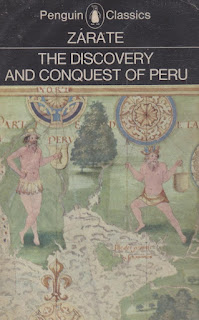
The Discovery and Conquest of Peru - Zarate.

பழைய புத்தக விற்பனையின் போது இந்தப்புத்தகத்தை வாங்கினேன். 1528ம் வருடம் ஸ்பானிய வீரர்கள், இன்றைய பனாமாவின் பசிபிக் கடற்கரைகளில் இருந்து தெற...