Hampi Chronicles - 2 - A Chalukyan Interlude

The next day, we took a leap back into history and went in search of history, a further 1000 years older than the one at Hampi,  moving away from the Tungabadra to the reaches of Krishna, in search of the architectural splendors of another great dynasty.
The Chalukyas, during their time of glory, had to vie for the control of their lands from North as well as from the South. They have to contend with two of the greatest kingdoms from these places and build themselves a home in the midst. The threat from North, they defeated and their tryst with the Pallavas in the south was stuff of legends and went on for a couple of hundred years.
Apsidal Durga temple
That alone is reason enough to travel another 150 kms in hot weather to reach their center of power. However, the Chalukyas were also great builders and most of what they built stands in the banks of River Malaprabha, in the middle of nowhere in today's India, telling stories of their valor and artistic might.
The road from Kamalapur to Aihole, our first destination, is a national highway and was very good to drive on, with tiny villages and some greenery along the Tungabadra canal ways. However, the land becomes more arid and dusty as we move away from the river and looks very impoverished in outlook. The villages themselves, were looking bare with no vegetation and there are a few schools and hardly any colleges to be seen. I desperately wanted to find at least one college, just to make myself feel better, but couldn't. All I could think was, may be there is one in the towns nearby.

Varaha - The Royal Emblem of Chalukyas is seen everywhere
Aihole, the capital of early Chalukyas, lies today on the banks of River Malaprabha in the interior of Uttara Karnataka, looking every bit the same as the thousands of villages in India, except for the cordoned off temples in the middle of it.
 It is hard to believe that this village at some point in the sixth century BC, was the capital of the most powerful kingdom in this part of the world. All that remains of that glory is the group of temples in the middle of this village and the temples strewn around the hill side.  There are multiple clusters of temples all around the main ASI monuments area and some of right in the middle of the huts , some are fenced off, some are left to rot. And the hillocks around have fort walls built around with the Meguti hill with the famous Jain temple atop lies on one side.
 It is kind of overwhelming to be in the midst of this group of temples and awestruck is just a word here. In a way, it also shows the extent of Aihole at the height of its glory. Although touted as the capital of early Chalukyas, this looks more of an artisanal playground for the Chalukyan stone masons and engineers in the experiments they've made, in building the temples in the complex.
A familial scene in the Durga temple - Loved it
The unusual apsidal Durga temple - which is not a Durga temple - is the quintessential symbol of Aihole and rightly so. It stands in the entrance of the complex and probably has been built at the zenith of the excellence of its period. The small temple is rich in sculptures and the vimana in the Nagara style in a raised plinth, evokes a feeling of wow immediately. The hall in the front, resembling the grand Chaityas of Buddhist viharas and the sculptures around along with sculptured pillars complete an architectural wonder which is to be seen in a life time.

There are multiple temples in this area, mostly looking like architectural experiments in that each has something very individualistic about it. The logs on the roof, the pillars which seems to be predecessor to the later Hoysala pillars of Belur, the very distinctive fusion of Nagara and Dravida style vimanas etc are something to be seen. The raised plinth actually brings out the beauty of the temple - which is again being taken to perfection by the Hoysalas in Belur . 

 The sculptures clearly show the transition from the North Indian to a unique Chalukyan style with influences from the Buddhist, Jaina traditions of the time. It is worthwhile to note that Pulikeshin II was a Jain and the Chalukyas were of mixed religious identities as well. Hence the influences from the caves of Ellora/Ajantha can be seen clearly as well. As much as the influences on the architecture here, I could also see a lot of trading of styles between the Chalukya - Pallava temples, especially in the sculptures. It is difficult to see them without being reminded of the same in the Pallava temples or in the later Chola temples. It will be a big debate to identify who was influencing whom- but I would say there was a lot of people moving between these sites working in multiple temples bringing in their expertise and creativity. 

Aihole, to do justify to all the details and temples, need a couple of days to see it in full. We had about a couple of hours. So it was in the other places we visited that day as well. So we started off to the next destination - the coronation center of the Chalukyas.

Hampi Chronicles - 1 - A Crying Bride

It has been years since I've been planning a trip to Hampi. For some reason, the travel eluded me - until now. The inaccessibility of the place is one big reason. There is no direct train connection from Chennai, there are no airports nearby serviced from Chennai and the drive is too long to enjoy the pleasures of the place. And of course, the consideration to go somewhere the kids would like to go and many other reasons meant that it was always in the bottom of the bucket list.

So it was until this year, when we decided to visit - come what may. Of course, the exam dates, the summer classes for the kids and the yearly trips to Madurai and all meant a tiny window to go for a vacation and we did exactly that (although Sibi ended up losing the first day of class!).

The onward journey was nothing exciting - got a connection at Guntakal to go to Hosepeta. It is a small mining station with nothing to go for it and luckily we booked our stay in a village called Kamalapura near Hampi. Kamalapura is what you can call a village's village and there is a ASI museum and that's that.  But as an entry point into Hampi, it has its advantages.

Hampi, on the first look, is not very impressive. The mountains full of boulders and the ruins - here and there - look nothing out of the ordinary. However, knowing the history a little, it is easy to understand what it all meant a few hundreds of years back and the place enchants the moment you start walking around the ruins.

The ruins were the result of the desertion of the city by the Vijayanagara ruling class , once the war at Talikota was lost. The allied Sultan's armies took their time to reach the gates and plunder the city for six months ensuring that there never will be another such city in the same place. It is impossible not to think of the fate of Carthage when that story is told.

Day one, after the travel , we decided to visit just the Virupaksha temple and the surroundings. The weather was hot and keeping everyone hydrated was the major task in the 3-4 hours we spent.

Virupaksha temple, to say it mildly, was a huge disappointment. The old temple has been pretty much lost in the conservation efforts of the ASI and what is now passing for the Virupaksha temple has probably nothing to do with the one from the times of Vijayanagara.

What makes me mad is that, if the ASI thinks it can conserve the temples and ruins by giving them a new color and 'repairing' the sculptures, they should at least do it in an aesthetically sensible way. The yellow color of the Virupaksha temple towers is such that, the moment you see it, you are just revolted. The same travesty that has ruined the great Chola temples in Tirubuvanam is just happening again here. However, as we found out later, ASI is doing a better job at other places in Hampi.

So, the moment I saw the temple, all I wanted was to get out of the place. However, we saw a marriage party entering the temple and the marriage mandapa in the temple was quite beautifully decorated. So, we decided to watch the marriage a little to see how it is done here.

What was shocking though was that the bride was incessantly crying standing near the mandapa. Tears were flowing down the cheeks and there is no one else who seem to be bothered about it. The groom seem to be a middle-aged person and the lady, probably in her late teens. The initial thought was some kind of a local tradition for the bride to cry but that does not make any sense. We were intrigued and watched the ceremony with unease and left the place before the ceremonies were complete.

It was easy to be judgemental in that place but without knowing what was going on , it was difficult to be that as well. For the next 3 days in Hampi, we kept inquiring the auto drivers, the car drivers, the guides about this and everyone seems to be saying that it may be a second marriage for the guy or the bride may be genuinely unhappy with the match - there was no good reason we could find to feel good about it. It was something that lingers on even after the trip is done.


So after Virupaksha, we walked down the huge Hampi bazaar and saw the huge monolithic bull. By this time, the kids have rented a couple of bikes and in the middle of the day heat, were happily riding around the empty bazaar. It was something to imagine the bazaar filled with merchants selling various stuffs in its heyday. Again, the bazaar is being maintained badly with no care taken and at some places, it is on the verge of collapse.
 We took to the mountain seeing the directions to the Vitthala temple and saw the majestic Tungabadra flowing in between the mountains of boulders. When we tried to go near the water, this sweet old man warned us in Kannada that there was a death at the same place last week and not to get into the water. We thanked him and walked back.

After that 4 hours spent in the middle of the day in scorching sun, there was no energy left and we just took a stroll in the Kamalapura village - which was an euphemistic way of saying that we took a 10 minute walk. So after spending an hour in the hotel pool, the day ended.

என் தந்தை பாலய்யா

என் தந்தை பாலய்யா

'கபாலி'யில் ரஞ்சித் இந்த புத்தகத்தை ரஜினியின் கையில் கொடுத்திருப்பார். அப்போது என் reading listல் சேர்ந்த புத்தகம் இது. இந்த புத்தக கண்காட்சியில் வாங்கினேன்.

இட ஒதுக்கீட்டுக்கு எதிரான ஒரு மனநிலையை நடுத்தர வர்க்கம் ஒரு fashion ஆக கொண்டிருக்கும் இந்நாட்களில் இது ஒரு தேவையான புத்தகம். ஒரு குடும்பம் பொருளாதார கீழ் நிலையில் இருந்து ஓரளவு மேலே வர என்ன வேண்டி இருக்கிறது என்பது இந்த புத்தகத்தின் ஒரு பாடம்.

தீண்டத்தகாத சாதியை சேர்ந்த பாலய்யாவின் தந்தை ஒரு வேகத்தில் தன் கிராமத்தில் இருந்து வெளியேறி அன்றைய பிரிட்டிஷ் ரயில் சேவையில் சேர்கிறார். பாலையாவை சிறிது படிக்க வைக்கிறார். பாலையாவும் ரயில்வேயில் சேர்கிறார். படிப்பின் அவசியத்தை அவருக்கு உணர்த்துவதாக இது தோன்றுகிறது. எனவே தனது மகன்கள்/மகள்கள் என அனைவரையும் படிக்க வைக்க முடிவு செய்கிறார். 1940களின் பிற்பகுதியில் இருந்து 1960களின் இறுதி வரையிலான இந்த போராட்டமே இந்த புத்தகம். அவ்வாறு படிக்க வைக்கப்பட்ட சத்திய நாராயணவே இதன் ஆசிரியர்.

கிராமங்களின் சாதி கட்டமைப்பு பெரும்பாலும் இப்போது உடைக்க பட்டு விட்டதாக நாம் எண்ணிக் கொண்டிருக்கிறோம். ஆனால் முன்னிலும் அதிகமாக இன்று சாதி படித்தவர்களின் இடையே ஒரு பெரிய தீமையாக வளர்ந்து நிற்கிறது. இன்றைய கீழ் நிலை சாதிகளின் போராட்டம் பாலையா போன்றவர்களின் போராட்டமாக மட்டும் அல்லாது ஒரு சமூகத்தின் போராட்டமாக மாறி விட்டிருக்கிறது.

இந்த புத்தகத்தின் சாரமே , கல்வி மட்டுமே சாதி கட்டுமானத்தை உடைக்க வல்லது என்பது மட்டுமே. அந்த ஒரு காரணத்தினினாலே மட்டுமே கல்வி , முதலில் , இடைநிலை சாதிகளுக்கும் , பின்னர் , சூத்திர, தீண்டத்தகாத சாதிகளுக்கும் கிடைப்பதில் எவ்வளவு சிக்கல் ஏற்படுத்த முடியுமோ அவ்வளவு இன்றளவும் ஏற்படுத்த படுகிறது.

பாலய்யாவின் தந்தை கிராமத்தின் கட்டை உடைத்து வெளியேறுகிறார். அதன் பின் இரண்டு தலைமுறைகள் - படிபடியாக கல்வி மூலமாக தங்கள் பொருளாதார நிலையை முன்னேற்றுகிறார்கள். ஆனால் அவர்களால் அதன் பின்னும் அந்த தீண்டத்தகாத சாதி அடையாளத்தை துறக்க இயலவில்லையே. சத்தியநாராயணா ஒரு கல்லூரியின் முதல்வரான பிறகு ஒரு துணை நூலகரால் அவமானபடுத்த படுகிறார். சாதி அவரை விடவில்லை. அவரின் பேரப் பிள்ளைகள் இன்று அமெரிக்கா குடிமக்களாக இருக்கிறார்கள். சாதி அங்கும் அவர்களை துரத்துகிறதா என்று தெரியவில்லை.

ஆக, ஒரு குடும்பம் சாதீய தளையை பிரித்து வெளி வர கிட்டத்தட்ட நான்கு தலைமுறைகள் ஆகிறது. அதுவும், கல்வி கொடுத்தே தீர வேண்டும் என்று ஒரு தந்தை உறுதியாக இருந்த ஒரே காரணத்தால். இன்றைய இடை நிலை சாதி, சூத்திர, தீண்டத்தகாத சாதிகளில் இத்தகைய அப்பாக்கள் எத்துணை பிள்ளைகளுக்கு இருக்கிறார்கள் என்பது கேள்விக்குறியே. இதனாலேயே இட ஒதுக்கீடும், சலுகைகளும் இன்றும் மிக அவசிய தேவைகளாக இருக்கின்றன.

என்னுடைய கல்வி என்பது என் அம்மாஉறுதியாக இருந்ததால் மட்டுமே சாத்தியப்பட்டது. அதுவே, என்னையும், பின் என் தம்பியையும். உழலும் பொருளாதார சிக்கல்களில் இருந்து ஓரளவிற்கு வெளிக்கொணர்ந்தது. இன்னமும் 1/2 தலைமுறைகளில் இந்த சிக்கல்கள் முழுவதுமாக தீரும் என்று சொல்லலாம். அதற்க்கு இன்னமும் இரு தலைமுறைகள் கல்வி கற்று - இதை விடாது செய்ய வேண்டும்.

ஒரு நூறு தலைமுறைகளாக இதை சாதித்து வந்திருக்கும் ஒரு கூட்டம் இன்று இந்த 3/4 தலைமுறைக்கு கொடுக்கும் சலுகைகளை எதிர்ப்பது என்னை பொறுத்த வரை அயோக்கியத்தனமானது. இதற்க்கு முட்டு கொடுக்கும் முதல்/இரண்டாம் தலைமுறை இடை சாதி பட்டதாரிகளை பார்த்து பச்சாதாபம் மட்டுமே பட முடிகிறது.

பொருளாதார நியாயம் ஒருபுறம் எனில், சாதீய அடுக்கு தரும் அவமானங்களை இன்னொரு தலைமுறை புரிந்து கொள்ளாமலே, அதை எதோ பெருமையாக பேசுவது இன்னொரு அயோக்கியத்தனம். நான் கல்லூரியில் படித்த நாட்களில் பல முறை, இடை சாதி மாணவர்கள், பட்டியல் சாதி மாணவர்களை தரக்குறைவாக பேசுவதை கேட்டிருக்கிறேன். கேரளாவில் சந்தனத்தை கோவில் பிராமணர் கையில் படாது தூக்கி எறிந்த போது உணர்ந்த அவமானம் , அங்கு கோவில்களில் எதையும் வாங்குவதை நிறுத்த வைத்தது. ஒரு மனிதனை அவனது தனிப்பட்ட குணங்களுக்கும் , மதிப்பீடுகளுக்கும் கொண்டு அளவிடாது, அவனது பிறப்பை கொண்டு அளவீடுவது எப்படிபட்ட நியாயத்தின் கீழ் வரும் என்று இன்றும் புரிந்ததில்லை.

'என் தந்தை பாலய்யா' - இது போன்ற கொஞ்சம் துணுக்குற வைக்கும் கேள்விகளை முன் வைக்கிறது. அதன் ஆசிரியர் இதை வெறும் கதையாக முன் வைக்காது , தன கோபத்தை பதிவு செய்து கொண்டே இருக்கிறார். அந்த கோபத்தையும் , அதன் தார்மீக நியாயத்தையும் நீங்கள் உணராவிடில் . இந்த புத்தகம் உங்களுக்கானதல்ல.

evocat


roses wither
smell as sweet.

like smoke
from the incense
the dying scent

like leaves in autumn
life withers
in cold inside

pricking needle
the wind chill
faded kisses

forlorn days
wither

train at
the buffer stop

Washington - Ron Chernow

Washington: A LifeWashington: A Life by Ron Chernow


Thats two in a row - or almost in a row. After reading Chernow's 'Grant', wanted to follow it up with another one from him and ended up with 'Washington' and took me close to about a month and half to finish this one. I would have to say that I did not plod through - like I use to do with a lot of boring books. This one was interesting.

The interesting factor may be due to the fact that a lot of what I read was unknown to me and that always fascinates. While I've read a lot about the Revolutionary war and the presidency of Jefferson (thanks ,not in least, to Vidal's politically-charged 'Burr'), Washington, till this point remained that stony-face on the one dollar bill, serenely looking at you with absolutely no expressions, whatsoever.

So, it was interesting to read about the pre-revolutionary times - when he grew up in a family - visited regularly by untimely deaths of near and dears, which while unfortunate, inches him close to his destiny in a sure way, as Chernow keeps reminding while announcing every death.

While destiny may be an easy way out to explain how Washington ended up being the commander in chief of the Continental Army, the hard truth is that he is mostly a self-made man - who while trying to get free of an over-weening mother, makes a life for himself which makes sure that he is in the right places all the time, saying the right things and most importantly, doing the right things as well.

Unlike the other founding fathers of other countries I know of, Washington is not a overtly extrovert kind of person, who lead a revolution by rhetoric or through a spiritual influence or by sheer blood bath. He comes out unique, because of the way he conducts himself, there is no other way than to say, as a well-bred Southern Gentleman. That also does not account for that uniqueness as the other Virginians of the same time - Madison, Jefferson or others - are equally gentlemanly or more so than him. He comes out unique because he is a doer than a speaker or any of the other things. This is the most important aspect of his character which Chernow keeps emphasizing at every juncture of his life.

While I try to 'like' him while going through that monster of the book, he does not inspire a worship like Lincoln does or the charm which JFK brings. He does not want to be liked, I guess. He just silently wishes not to be disturbed and let him just do things. And the list of accomplishments , each a path-breaking precedent in its day, is long and that fact that he was chosen for each of these positions through acclamation creates a new kind of respect for him.

But what actually surprised me is the romantic in Washington. Of course, his marriage to Martha comes out more as a necessity than anything and they remain absolutely wonderful couple till the end. But his short lived love affair with Sally Fairfax has all the elements of that tragic love story that repeats through the ages and to think that he writes prose like this is absolutely fascinating to know.

"You have drawn me, my dear Madam, or rather I have drawn myself, into an honest confession of a Simple Fact. Misconstrue not my meaning, 'tis obvious; doubt it not or expose it. The world has no business to know the object of my love, declared in this manner to - you, when I want to conceal it. One thing above all things, in this World I wish to know, and only one person of your acquaintance can solve me that or guess my meaning - but adieu to this till happier times, if ever I shall see them. "


Of course, there are some grouses as well with the well-written book. For one, I don't think I wanted to know so much about Washington's teeth. I mean, at this point, I know more about his than I ever know about mine. I would've like to read more about the charged political environment of that initial days of the country and it was a dampener to slide over a lot of stuff that would've made some explosive prose. But then I may have to pick up the one on Hamilton for that, I guess.

Overall, a well written, absolute delightful book.

உன்னை எதிர் நோக்கி..

இரண்டாம் ஆண்டு கல்லூரி ஆரம்பத்தில் எழுதியவை. இன்றைய என் கவிதை அளவீடுகளின்படி பெரிய அபிப்ராயம் இல்லை. ஆனால் அன்றைய எனது சிந்தனைகளின் ஒரு பதிவாக மட்டுமே இன்று வாசிக்க முடிகிறது.

காய்ந்த சருகுகளாய்
உதிரப் போகும்
வருத்தத்தில்
மல்லிகை மொக்குகள்.

யாரோ
வந்து கதவைத் தட்டி
கடத்த போகும்
கனவில்
கன்னிகள் .

மனதில் பொங்கும்
சந்தோசத்தை
சொல்ல முடியாது
வானில் இருக்கும்
நட்சத்திரங்களை எண்ணிக்
கொண்டு வாலிபம்.

நுரைத்து பொங்கும்
வாழ்க்கையை
கரைத்து குடித்துவிட்ட
நிம்மதியில் முதுமை.

தொலைத்து விட்ட முகத்தை
தார் ரோட்டில்
                தேடிக் கொண்டே..

கிழிய போகும் பக்கங்களை
நடுநடுவே
                 எண்ணிக் கொண்டே..


எங்கோ
       போகும்
ஏதோ ரோட்டில்
ஏகாந்தத்தின்
       அமைதியில்

உன்னை
   எதிர்நோக்கி ..
               நான்.

ஜூன் '94

 Edward Munch இன் 'Madonna' எனக்கு பிடித்த ஓவியங்களில் ஒன்று. ஏனோ இங்கு சேர்க்க தோன்றியது.
எல்லாம் முடிந்த பின்னரும்
தலைக்குள் குடைச்சல்.
கண்களில் தூக்கத்தை நிரப்பும் இரவு.
குளிரும் நேரத்தில்
ரோமக்கால்கள் சிலிர்க்கும்.
நாளைய சூரியன்
எங்கே உதிப்பான் என
சிந்திக்க தோன்றாமல்
பல மாதங்களுக்கு அட்டவணைகள்.
எல்லாம் என்றால் எதுவென
தேடி அலைச்சல்.
முடிந்துவிட்ட கனவை மட்டும்
தொடர தொடர..
எங்கிருந்தோ வரும் எதோ
ஒன்றிக்காக
மீண்டும்
காத்திருத்தல்கள்.

8/8/94
 

துப்பறியும் சிவாஜி

சிவாஜி கணேசனுடன்
நேற்றிரவில் துப்பறிய
சென்றிருந்தேன்.

சிவாஜி கணேசன்
துப்பறியும் கதையின்
நாயகர் அல்லர்.
அது ஜெயசங்கர் ஆகும்.

ஆனாலும்
அது சிவாஜி கணேசன் தான்
என் கனவில்.

பல மாடிகளில்
இறங்கும் படிகளில்
தலை தெறிக்க
இருவரும் ஓடி வந்தோம்.

ஒரு ஓட்டலில் இருந்து
அவருடன் தப்பி
ஓடி வரும் போது
ஸ்ரீதேவியுடன் ஒரு
டூயட் பாடிக்கொள்ளவா
என்று கேட்டார்.

பதிலுக்கு காத்திராமல்
இறுக்க கட்டிய பெல்ட்டுடன்
கொட்டும் மழையில்
டூயட் பாட சென்றுவிட்டார்.

இங்கே வில்லன்களை
அடித்து துவைப்பது யார்?

அடுத்த முறையாவது
ஜெய்சங்கருடன்
துப்பறியவேண்டும்.

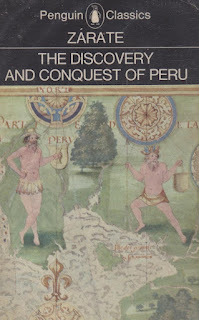
The Discovery and Conquest of Peru - Zarate.

பழைய புத்தக விற்பனையின் போது இந்தப்புத்தகத்தை வாங்கினேன். 1528ம் வருடம் ஸ்பானிய வீரர்கள், இன்றைய பனாமாவின் பசிபிக் கடற்கரைகளில் இருந்து தெற...