இரு புத்தகங்கள் - 2

பெரும்பாலும் நான் கழக எழுத்தாளர்களையும், தோழர்களையும் படிப்பதில்லை. ஒரு அலுப்பான சித்தாந்த நோக்கோடு எழுத படுபவை எல்லாம் 'preaching to the converted' என்பது போல ஒரு சிறிய கூட்டத்தையே மையமாக வைத்து எழுதபடுபவை. பின் எதற்கு நான் பொன்னீலனின் 'மறுபக்கம்' படித்தேன்?
மதுரையில் உள்ள New century book house என்னுடைய சிறுவயது வாசிப்பை நிர்ணயித்ததில் பெரும் பங்கு வகித்தது. மிகவும் மலிவான ரஷ்ய பதிப்பகங்களின் நூல்கள் மூலமாகவே எனக்கு Dostoyevsky, டால்ஸ்டாய் போன்றவர்கள் அறிமுகமானார்கள். இன்றும் எனக்கு மிகவும் பிடித்த புஷ்கினின் 'Queen of spades' ஐ முதலில் நான் தமிழில் படித்ததும் அங்குதான். இப்போது உள்ள NCBH கிட்டத்தட்ட கடந்த காலத்தின் ஆவி போன்று இருக்கிறது. இப்போது தமிழில் புத்தகங்கள் பதிப்பித்தாலும் அந்த மலிவு விலை பதிப்புகள் எல்லாம் சோவியத் ரஷ்யவுடன் முடிந்துவிட்டது.
'
மறுபக்கம்' எண்பதுகளில் கன்னியாகுமரி மாவட்டத்தில் நடந்த மண்டைக்காடு கலவரங்களை பற்றி பேசுகிறது. அதன் காரணிகள், இன்றைய நிலைமை, மாற்றங்கள் என பல்வேறு விஷயங்கள். சேது அக்கலவரங்களை பற்றி ஆராய்ச்சி செய்ய பனை விளை வருகிறான். அங்கு தோழர்
வெங்கடேசன் உதவியுடன் அந்த கலவரத்தில் பங்கெடுத்த மற்றும் பாதிக்கப்பட்ட பலரையும் சந்திக்கிறான். இவற்றுக்கு ஊடே 'தோள் சீலை' போராட்டத்தில் இருந்து அய்யா வைகுண்டசாமி, நேசமணி என அப்பகுதியின் வரலாறும் சொல்லப்படுகிறது.
ஒரு வரலாறு எனும் முறையில் இது ஒரு முக்கியமான நாவல். அவ்வளவே. சேது ஒரு மதவாதியாக அறிமுகமாகி (அதுவும் தெளிவாக இல்லை) கதையின்நடுவில் திடீரென்று இடது சாரி தோழராகி போகிறான். அதற்கு முத்துவை காதலிப்பதற்கு என்பதை தவிர முக்கியமான காரணம் எதுவும்சொல்லப்படவில்லை. ஒரு வேளை அவன் கேட்க்கும் கலவரம் பற்றிய கதைகளால் பாதிக்க பட்டு அதனால் மாறுகிறான் என்பதற்கும் ஒருமுகாந்திரமும் இல்லை. ஒரு மதவாதியால் வளர்க்கபட்டதாய் காட்டப்படும் அவன் எப்படி தன் கொள்கைகளை அப்படி மாற்ற முடிந்தது என்ற கேள்வியே இந்த நாவலை வாசிப்பதில் ஒரு தடங்கலாய் விடுகிறது. இரு முறைதிருமணத்தில் ஏமாற்றமடைந்த முத்து மட்டுமே consistent ஆக தன்னை நாவல்முழுவதும் காட்டிக் கொள்கிறாள். சித்தாந்தத்தின் உந்துதலில் மட்டுமே எழுதப்படும் கதை இப்படி இருக்கும் போல்.
மண்டைக்காடு கலவரங்களை விசாரித்த கமிஷனின் அறிக்கையே இந்தநாவலின் அடிப்படையாக இருக்கிறது. ஒரு வரலாற்றின் பதிவு என்ற முறையில்வாசிப்பு மிகவும் நன்றாக இருக்கிறது. அய்யா வைகுண்ட சாமியின் மெய் வழிசாலை, பனையேறி மக்களின் வாழ்வு போன்றவை நான் கேட்டு வளர்ந்த பலகதைகளின் நீட்சியாகவே இருந்தது.
சிறு தெய்வங்களின் கோவில்கள் எப்படி மெதுவாக மாற்றப்படுகின்றன என்பதுகதையின் இன்னொரு திரி. முத்தாரம்மன், மண்டைக்காடு பகவதி அம்மன்போன்ற தெய்வங்களின் கோவில்கள் எப்படி மெதுவாக அவற்றின்தனித்தன்மையை இழக்கின்றன என்பது அந்த நாட்டார் கதைகளுடனும்சொல்லப் படுகிறது. சிவகாசியில் உள்ள பத்ரகாளி அம்மன் கோவிலில் இந்தமாற்றத்தை நேரில் பார்த்திருக்கிறேன். இன்று அந்த கோவிலின் குளத்தருகே ஒரு ஐயப்பன் கோவிலும் உண்டு.
ஒரு கதையாக அல்லது ஒரு நல்ல நாவலாக இல்லாவிடினும் ஒரு நல்லவரலாற்று ஆவணமாக படிக்கலாம்.

அடுத்து 'பின் தொடரும் நிழலின் குரல்' படித்து கொண்டிருக்கிறேன். பின்னொரு சமயம் அது பற்றியும் எழுதுவேன்.


இரு புத்தகங்கள்

"கரீமே...உன்னையும் என்னையும் நமக்கு முன் தோன்றியும்மறைந்துமிருந்தவர்களையும் இந்த இரவு அறிந்திருக்கிறது. இரவெனும் ரகசியநதி எப்போதுமே நம்மை சுற்றியோடிகொண்டிருக்கிறது. அதன் மிருதுவும்பரிமளமும் நாம் அறிந்திருகிறோமேயன்றி அதன் விகாசம் கண்டதில்லை"

இவ்வாறாய் ஆரம்பிக்கிறது 'யாமம்'. எஸ். ராமகிருஷ்ணனின் அறிமுகம் 'தேசாந்திரி' மூலமே கிடைத்தது. பெரிதாய் தாக்கம் இல்லை எனினும் மேலும்தேட வைத்தது. 'உப பாண்டவம்' துரியன் கூத்தில் ஆரம்பித்து இரவின் ஊடேபயணிக்கும் கதை. இரவின் வழியே செல்லும் அதுவும், வெயிலின் கடுமையாய் உறைத்த 'நெடுங்குருதி'யும் மேலும் தேட வைத்தது.


'யாமம்', அதன் பெயரை போல், இன்னுமொரு இரவின் வழி ஊடாடி செல்லும்கதை. கரீம், கிருஷ்ணப்ப கரையாளர், பத்ரகிரி, சதாசிவ பண்டாரம் ஆகியோரின் கதையாக சென்னை பட்டினத்தின் ஆரம்ப காலங்களில் தொடங்கி 18 ஆம் நூற்றாண்டின் இறுதியில் முடிகிறது. காலம் ஒரு அளவீடாக இல்லாமல்இரவின் வழியே பாய்ந்து செல்லும் நதியாய் இருக்கிறது.

'யாமம்' என்ற அத்தர் காம கடும் புனலாய் கதையின் எல்லா பாத்திரங்களின்வாழ்விலும் செல்கிறது. கரீம் அதனை உருவாக்கினாலும் அதன் பலன் இன்றிதன் ரோஜா தோட்டத்தை பாழியாக்கிவிட்டு காணமல் போகிறார். கிருஷ்ணப்பகரையாளர் மலை காடுகளின் நடுவே ஞானம் வந்தவராய் சொத்துகளை பங்காளிக்கு விட்டு குடுத்து தன் சந்தோசத்தை அடைகிறார்.

பத்ரகிரியின் கதை கொஞ்சம் சிக்கலானது. லண்டனில் உள்ள தம்பியின் மனைவியிடம் காமம் கொண்டு வாழ்வை இழக்கிறான். உறவுகளின் குழப்பத்தில்வாழ்வின் விழுமியங்கள் தடம் மாறுகின்றன. காமம் ஓங்கி அடங்கியவுடன் குற்றஉணர்வின் குழப்பத்தில் தடுமாறுகிறான். தம்பி திரும்பி வந்து அண்ணன்குழந்தையை வளர்க்க ஆரம்பிப்பதுடன் முடிகிறது.

சதாசிவ பண்டாரம் கதையின் எல்லோரையும் ஒரு வகையில் காட்டுகிறார். நீலகண்டம் என்ற நாயை தொடரும் பரதேசியான அவரின் கதையே ஒருவகையில் கதையின் எல்லோரின் கதை ஆகிறது. ஒவ்வொருவரும் ஒரு நாயை பின்தொடர்கிறார்கள் எந்த காரணமும் இன்றி.

யாமமும், இரவும் கதை முழுவதும் வியாபித்திருகிறது. கதை மாந்தர்கள்எல்லோரும் ஒரு நிலையில் அதன் மயக்கத்தில் விழுகிறார்கள். பின்எழுகிறார்கள்.


'நெடுங்குருதி'யில் தாங்க முடியாத வெயிலை காட்டிய ஆசிரியர், 'யாம'தில்இரவின் நதியை காட்டுகிறார். வெயில் கண்ணை கூசியது என்றால் இதில்எல்லோரும் இரவின் கருமையில் தடுமாறுகிறார்கள்.

'யாமம்' முழுவதும் இரவு நீண்டு கொண்டே இருக்கிறது. வாழ்வு கடந்துகொண்டே இருக்கிறது. இரவின் நீட்சியாய் காமம் கசிந்து கொண்டே இருக்கிறது.

எஸ். ராமகிருஷ்ணனின் முக்கியமான படைப்பாக நான் இதை கருதுகிறேன். எனக்கும் வெயிலைவிட இரவே பிடிக்கிறது.

(தொடரும்)

Krishna - The playful divine

Yesterday was 'Krishna Jayanthi' celebrations in Sibi/Vanathy's school. So all the kids were dressed up and all. Though Vanathy did not had a Radha's outfit, two of the Krishna's in her class told her that her dress is good (kids, these days!). And so with all that overdosing of Krishna yesterday, she was playing with a small portrait of butter-eating Krishna she bought last week in Sri Rangam. While on the bed, she was a bit worried as to what happens if Krishna eats butter all night. So I told her to put Krishna to sleep so that He can wake up in the morning and eat the butter. After whispering all that into Krishna's ear, she also made sure in the morning that He is up and eating butter well.
-----------------
It was during one of the visits to Mylapore Kabaleeshwarar temple that I found about the 'Giri traders'. Its a big store which sells a lot of uninteresting articles but they have a book shop in 3rd floor which basically is strewn with books in every language (of India, of course) and as I've been finding it often now, the place has a lot of rare books or old editions of rare books (which are considerably cheap!) and a group of staff who can locate the books in that organized mess.
So a couple of months back, I was walking through that aisle and after spending what seemed to be a lot of time, was able to locate a book 'Krishna - The playful divine' by Pavan.K.Varma. A yellowish looking book with a bit torn front, it looked like an absolute steal when I bought it.
In the pantheon of gods that we have, Krishna and Muruga display a human quality which helps one to easily identify with them. They seem to be having had some smaller origins before being absorbed into the mainstream Hindu consciousness. Of course, one was primarily an Aryan god and another a Dravidian one. There are quite a bit of interesting tangle of stories associated with both of them.
But being what we are, we rely on people from western countries to do this job for us. Kamil Zvelebil did this for Muruga and Krishna has been explored, debated and a lot of books have been written based on the myth that is associated and the man that is Krishna.
Pavan K. Varma, author of this book 'Krishna - the playful divine', treats his Subject without much sentimentality or getting affected by the divinity of Krishna. The book is a fantastic research work which explore Krishna's evolution, from the man to the myth to being one of the most revered God of modern India.
The book traces Krishna's birth till his deification and tries to explain the miracles associated with Him. But it does it with a cold rationality which showcases the extensive literature that is available on the subject and the author's familiarization with most of it.
Reading the book, after having known most of the story of Krishna, the book still surprises with its interpretation of events and the different regional specializations that goes into the making of Krishna. It starts with Krishna's birth and childhood and goes on to discuss the various incidents associated with Him as the absorption of the worship of various little Gods like Indra, Varuna etc to the growing cult of Krishna. The 'Kaliya Vadam' becomes the symbol of the defeat of the Naga tribe in the forest.
This is followed by a chapter titled 'Lover', which by the way is the most discussed aspect of Krishna. Quoting from Harivamsa to Nammalwar, the love He had for the gopis and most of all, Radha is explored. The svakiya (that Radha is Krishna's wife) or Parakiya(that she was another man's wife or unmarried) debate is explained and we are told that it was settled only in 1717 through a council in Bengal and decided, perhaps unthinkable today, that it was parakiya. And goes on to discuss the virtues of such a relationship.
Given the Victorian morality norms that have crept into our lives in the past 200 years, it is a bit difficult to place this in context with our thought process of today.The arrival of Christian missionaries in the 18th and 19th century basically changed this tradition as the attacks on Hinduism during this period was based on the 'moral depravity' of the 'natives' with their 'unparalleled sexual degradation'. It is this that drives the way we look into things even today. Pavan Sharma calls this a betrayal of the worship of Krishna as lover (in celebrating Rasaleela or even discussing it) and squarely puts the blame on the Evangelicals and the Hindu revivalist movements who just ran along with the narrative put forwarded by them.
The chapter ends with the discussion of Krishna's departure from Brindavanand the fact that he never returns to it in his later life.
The next three chapters (Warrior, savior, God) deal with how the Krishna myth evolved into a worship and the philosophy as given in Gita. The philosophy of Gita is juxtaposed with the various thought schools of the western world and discussed.
The individuals pursuit of a meaning for the life herein and the uncertainty of the life hereafter forms the basis of this discussion. Having read Gita a few times, it basically is a blueprint to live life as it should be lived and the fact that Gita allows interpretation at different levels is very essential in understanding the relevance of the same.
What I found missing was a discussion of Krishna's relationship with Draupadi (also known as Krishnai due to her Krishna-bhakthi). This is important as Draupadi's hands were first offered to Krishna and only after his rejection (citing that He treats her as a sister), did she gets to go for the swayamvara. Though the story is cited in context with the Mahabharatha war, there is no in-depth discussion as in the case of the Radha-Krishna relationship.

Bedtime Stories

After running through a lot of stories on Anjaneya (this is the name Vanathy prefers) and Muruga, I was trying to find some other stories to tell the kids during bed time. So now we are going through the explorers of the world.

So far, we've covered Columbus, Cook, Amerigo vespucci, Vasco da Gama and Ernest Shackleton. And we finished the Lewis and Clark expedition yesterday. It is turning out to be a very good exercise so far and the kids are liking it so far. We also did some discussions based on the maps and the globe to see the routes they've taken and Sibi is absolutely fascinated by the stories.

Apart from what I've read, I am using the extensive Wikipedia entries on each of these voyages to tell the stories and also ask questions everyday to make sure they really understand. Of course, for Vanathy, only the adventure part registers while Sibi is making the connection with history as well.

So yesterday, J asked Sibi to tell her the story on Lewis and Clark expedition. It was an amazing story which Sibi came up with. He remembered most of the story but embellished it with his thoughts wherever he forgot something. I tried correcting him but then let him run through it as he wished. Now we've agreed to watch the PBS program on 'Lewis and Clark expedition' on the weekend (I've the DVD).

While he was telling the story, I was thinking of the future when Sibi standing on a cliff and watching the mighty Missippi flowing, will remember his father telling the story of the expedition long ago as a bedtime story. It was mushy but worth it.

The kids ask interesting questions while the story goes on. A sample.
Sibi - Appa, how come Columbus is lost? don't they have maps?
Me - Yesda, they dont have complete maps back in the fifteenth century and they were still exploring.
Vanathy - Appa, he could've asked Dora, she has a map.

Some of the discussion yesterday was about Jefferson and I was thinking of coming up with a condensed version of '1776' for the kids and J asked about the 'Civil war'. I am not so sure as Sibi may not be able to comprehend the actual issue of why the war was fought. So that have to wait.

Oftentimes I think I have taken Vanathy's growing up as more matter-of-fact than Sibi's. I think that goes for all second child's. Vanathy is hyperactive when compared to Sibi and has been since she started walking. I am thinking of the number of times we have to take her to the ER in the Apollo children's hospital and it is absolutely nerve-racking bringing her up. She is also more authoritative but loves her brother very much and demands things that she has to have. Now she has drawn up a big list for her birthday and we are trying to figure how to handle that.

நட்சத்திரம்

அதிகாலை.

வீட்டு பால்கனியில் நின்று அண்ணாந்து பார்த்துக் கொண்டிருக்கிறேன். கைக்கு எட்டும் தூரத்தில் சூரியன். தாங்க முடியாத வெப்பம்.
சேவல் கொண்டை சிவப்பில் நெருப்பு எரிவது அருகில் தெரிகிறது.
நில நடுக்கம் போல் ஒரு அதிர்ச்சி. நான் என் மனைவியை கூப்பிடுகிறேன். 'வேகமாய் வா'.
வெளியில் வருகிறாள். இருவரும் பார்க்கும் பொழுதே சூரியனில் இருந்து வேகமாய் நெருப்பு துண்டுகள் கீழே விழுகின்றன.
ஒரு சிறு ஓட்டை விழுகிறது. அதில் இருந்து இன்னும் பெரிய துண்டுகள். சிறு ஓட்டை பெரிதாகிறது. இப்பொழுது நிறைய சிறு ஓட்டைகள். வெப்பம் வேகமாய் குறைகிறது. சிறு ஓட்டைகள் எல்லாம் பெரிதாகின்றன.
கண் முன் சூரியன் துண்டு துண்டாய் சிதறி சட்டென்று மறைகிறது.
இருள். குளிர். மெல்லிய நீலமாய் வானம். எதுவுமற்ற பெருவெளியில் எல்லையில்லா வானம்.
வெப்பம் தணிந்ததில் அது வரை அடைந்து கிடந்த மனித கூட்டம் இப்போது தெருவில். எதற்கென்று தெரியாது ஒரு கொண்டாட்டம்.
கட்டறுத்த மகிழ்வில் சுழற்றி விட்ட பம்பரம் போல் பறக்கும் பூமி. சட்டென ஒரு தூரத்து நட்சத்திரத்தின் இழுப்பில் ஒரு தள்ளாட்டம். வெகு தூரத்தில் தெரியும் புதிய சூரியனை பார்த்து உற்சாக ஒலி எழுப்பும் கூட்டம்.
நானும் என் மனைவியும் ஒரு மரத்தின் கீழ்.
'என்ன ஆகும் இனி?'
'ஒளி இல்லை. மரங்கள் முதலில் செத்து மடியும். மரங்கள் இல்லை கரியமிலம் குடிக்க. பூமியின் வெப்பம் உயரும். ஆக்சிஜென் குறையும். தூரத்து சூரியனை பார்த்துக் கொண்டே நாமும் செத்து மடிவோம்'
விழுந்த இலை நீல நிறத்தில்.


சிபி

Sibi was badgering me with questions on Mughals yesternight. So I decided to counter him with some questions on my own and get some pause.
me - OK, tell me who Alam Gir 2 is.
Sibi - he is a great-great Grandson of Shah Jahan
me - (thinking so there is an idiot with that name) no, அவன் ஷாஜஹான் சித்தப்பாபையன்
Sibi - தப்பு, தப்பு
me - (thinking I've trapped him) huh, ஷாஜஹான் சித்தப்பா யாரு சொல்லு?
Sibi - ஷாஹ்ஜஹன்னுக்கு 3 சித்தப்பா. 2 அத்தை. (recites the names of the offspring of Jehangir)
me - (going blank) எங்கடா இதை எல்லாம் படிக்கிறே?
Sibi - Wikipedia, dad...


------------

Another day...
நான் - Level 2 exam எப்படி எழுதினே?
சிபி - நல்லா பண்ணினேன். only 3 wrongs.
நான் - out of?
சிபி - 60. 57 correct.
நான் - ஆட்டத்த குறைக்கணும். ஆடாம practice பண்ணினா 60/60 வாங்கிஇருக்கலாம்.
சிபி - அப்படி இல்லப்பா. இவ்ளோ ஆட்டத்துக்கே 57 marks வாங்கிட்டேன். இன்னும் பயங்கரமா (?) ஆடுனா full marks வாங்கிடலாம்.

------------


Adi Kesava Perumal temple

Happen to be in Sriperumbudur couple of days back and having to made to wait for couple of hours, spent the time visiting the Adi Kesava perumal temple or the Bashyakara temple. There are almost no one in the temple except me, a couple of priests, and a bunch of women police, I think, were on duty nearby.
Though it was a small temple (compared to, say, Thiruvidanthai), it was an interesting one. I think it must be about 700-800 years old. Definitely built after Ramanujar's period, it wore a deserted look on that particularly hot day.
Sri Perumbudur is the birth place of Ramanujar and there is a sannidhi near Perumal himself for him.
All pillars had the riding horseman in it. Oddly, half of them looked Caucasian for whatever reason.

The thulasi maadam looks oddly out of place. Must be a recent addition.

The karbhagriha walls are lined with the history of Ramajujar.

There are some recent murals on the outer praharam walls. This is a beautiful rendering of Perumal with Andal.

The Gopuram.

The mandabam.

The praharam.

Oddly, I couldn't find Andal's sannidhi in this temple. May be I missed (though I was there for 1-1.5 hours).

Nothing gives the odd peace of mind than an empty temple...

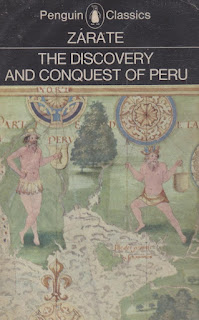
The Discovery and Conquest of Peru - Zarate.

பழைய புத்தக விற்பனையின் போது இந்தப்புத்தகத்தை வாங்கினேன். 1528ம் வருடம் ஸ்பானிய வீரர்கள், இன்றைய பனாமாவின் பசிபிக் கடற்கரைகளில் இருந்து தெற...